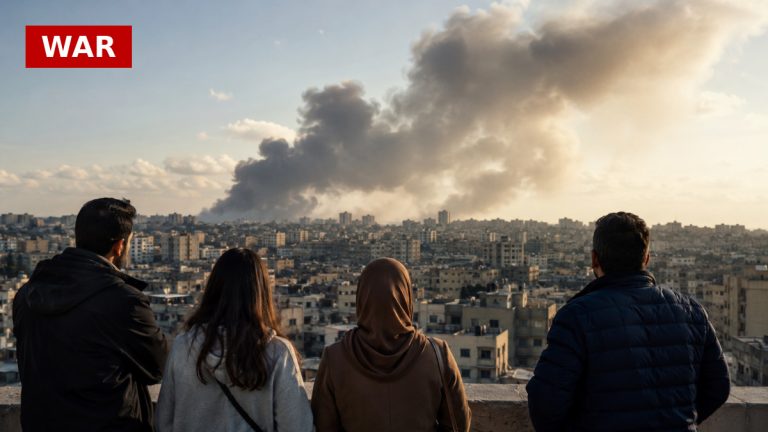
The recent U.S. military strikes on Iranian targets highlight the precarious nature of the ongoing ceasefire in the region. Following an attack on the oil tanker Kiku, the U.S. retaliated, targeting Iranian military infrastructure. This escalation raises concerns about the stability of maritime routes crucial for global oil supplies, particularly through the Strait of Hormuz, a vital chokepoint for energy transport.
As tensions rise, the implications for international shipping are significant. The U.S. Navy’s expansion of alternative routes may provoke further Iranian aggression, complicating negotiations aimed at a long-term ceasefire. Iran’s insistence on controlling the strait and its threats to charge transit fees could deter shipping companies, impacting global oil prices and supply chains.
Moreover, the situation underscores the fragility of diplomatic efforts between the U.S. and Iran. With both sides under pressure to maintain their positions, the risk of miscalculation increases, potentially leading to broader conflict. The ongoing negotiations, which include critical issues like Iran’s nuclear program, are now at a crossroads, with military actions overshadowing diplomatic dialogue.
For the UK and its allies, the ramifications are profound. Increased military activity in the region could disrupt trade routes and elevate security concerns, necessitating a reassessment of maritime strategies and international cooperation to ensure safe passage through these contested waters.
Source: PBS News