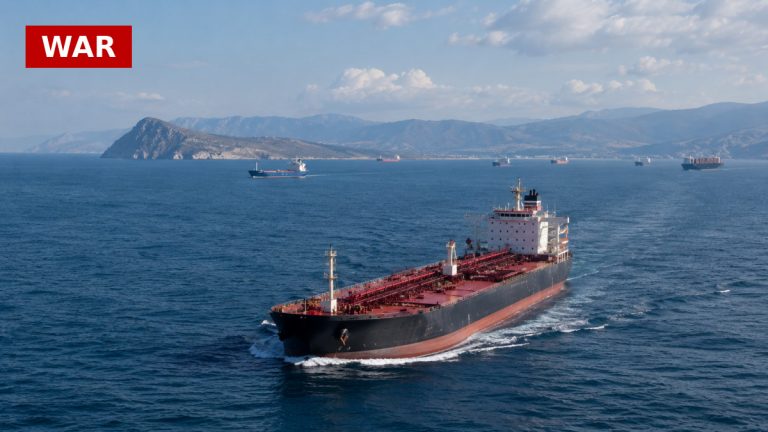
Recent military confrontations between the US and Iran have raised significant concerns about the stability of the Strait of Hormuz, a crucial global energy corridor. The US has conducted airstrikes on Iranian military sites following an attack on a commercial vessel, marking a serious escalation since a ceasefire agreement was reached. This renewed conflict not only jeopardizes the fragile Memorandum of Understanding (MoU) but also threatens to disrupt international shipping routes, potentially leading to higher fuel prices and increased geopolitical tensions.
The Strait of Hormuz is vital for global oil transport, with a significant percentage of the world’s oil passing through this narrow waterway. Iran’s control over the strait has become a bargaining chip in its negotiations with the US and Israel, and any military action could lead to a blockade, exacerbating the already strained global energy market. The US military’s commitment to ensuring safe passage for commercial vessels may be tested as Iran asserts its authority over navigation routes, complicating international maritime operations.
Iran’s recent threats to impose tolls on ships passing through the strait further complicate the situation, as Gulf nations and the US have rejected such demands. The potential for increased shipping costs could ripple through global markets, affecting everything from fuel prices to consumer goods. As tensions rise, the implications for international trade and energy security are becoming increasingly pronounced, with analysts warning of a possible energy crisis if the situation deteriorates further.
In this context, the future of the MoU hangs in the balance. With both sides accusing each other of violations, the risk of a complete breakdown in negotiations looms large. The international community is watching closely, as the outcome of this conflict could reshape not only regional dynamics but also global economic stability, highlighting the interconnectedness of military actions and everyday economic realities.
Source: Al Jazeera