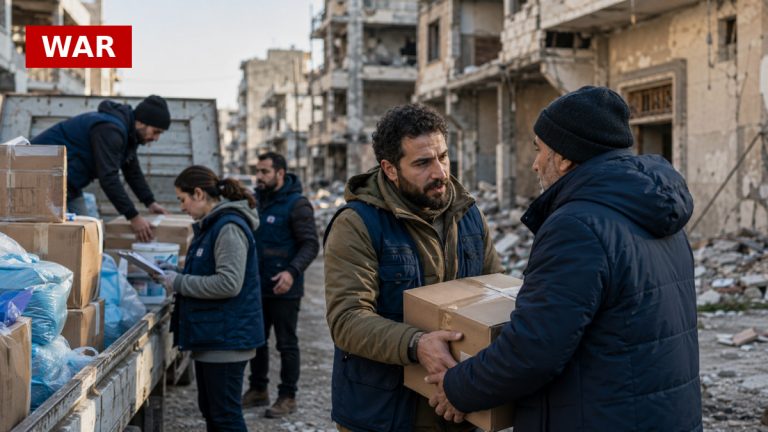
Recent airstrikes by Pakistan along the Afghanistan border have resulted in significant civilian casualties, with reports indicating 36 deaths and 163 injuries. This escalation follows a militant attack in Karachi that killed three Pakistani security personnel, prompting Pakistan to target what it claims are terrorist hideouts across the border. The Taliban government condemned the strikes, calling them a cowardly act of aggression, highlighting the ongoing tensions between the two nations.
The airstrikes are part of a broader pattern of violence that has intensified since the Taliban’s return to power in 2021. Despite a ceasefire agreement in March, sporadic attacks have continued, raising concerns about the stability of the region. The Pakistani government insists that its military actions are necessary for national security, as it grapples with a surge in attacks from the Tehreek-e-Taliban Pakistan (TTP) and other militant groups.
This conflict not only affects the immediate safety of civilians but also has long-term implications for regional stability. The humanitarian impact is severe, with civilian casualties rising and displacement becoming a critical issue. The UN has previously reported heavy civilian tolls from military operations, raising questions about the effectiveness and morality of such strikes.
As Pakistan mediates between the US and Iran, its focus on combating domestic militancy through cross-border operations may further strain its relations with Afghanistan. The international community’s attempts to mediate peace have so far failed, leaving the future of both nations uncertain amidst ongoing violence and instability.
Source: The Guardian