European leaders have expressed strong support for a recent agreement between the United States and Iran aimed at ending a prolonged conflict in the region. This deal is particularly significant as it promises to reopen the Strait of Hormuz, a crucial maritime route for global energy supplies that has faced disruptions due to the ongoing war. The restoration of navigation freedom is expected to alleviate rising energy costs and enhance economic stability in Europe and beyond.
António Costa, President of the European Council, highlighted the importance of this agreement, urging for an immediate ceasefire and the cessation of hostilities. The EU is poised to play a vital role in facilitating a comprehensive peace strategy in the Middle East, which could have far-reaching implications for regional security and international relations.
Ursula von der Leyen, head of the European Commission, emphasized that the swift implementation of the deal is critical. She warned that without addressing the situation in Lebanon, lasting peace in the region remains elusive. The EU’s involvement could lead to a more coordinated approach to regional stability, impacting trade and diplomatic relations.
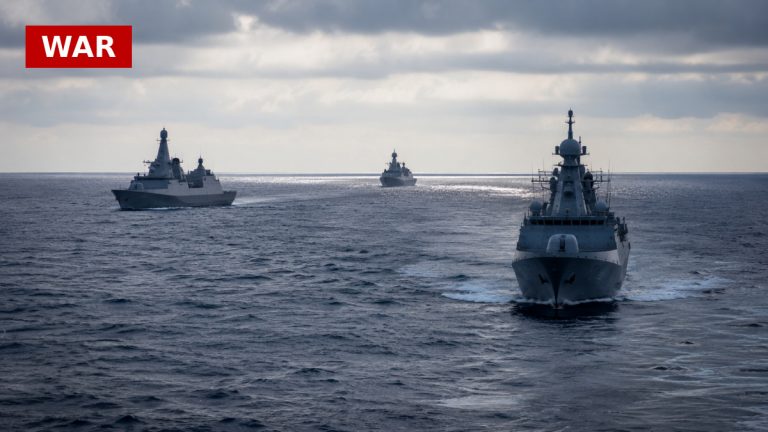
As the situation evolves, the readiness of military assets from France and the UK to ensure safe passage through the Strait of Hormuz underscores the urgency of this agreement. The potential for reduced tensions may not only stabilize energy markets but also reshape geopolitical dynamics in the Middle East, affecting global economic flows and security policies.
Source: Euronews