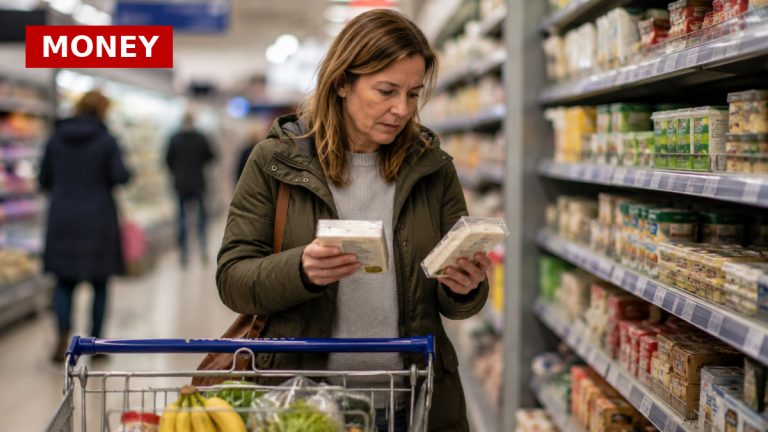
UK food prices are projected to rise by 50% since the onset of the cost of living crisis in 2021, with significant increases in staples like beef and olive oil. Research from the Energy and Climate Intelligence Unit (ECIU) indicates that climate and energy shocks have accelerated food price growth, nearly quadrupling the rate of inflation compared to previous decades.
The underlying causes of this inflation are linked to volatile oil and gas prices, rising costs of synthetic fertilisers, and adverse climate impacts such as droughts and floods. These factors have disproportionately affected certain food items, leading to steep price increases. For instance, beef prices have surged by 64%, while olive oil has more than doubled, reflecting their sensitivity to these external pressures.
For UK consumers, this means that average household food bills have increased by approximately £605 over the past two years. As food prices continue to rise, families may find it increasingly difficult to maintain their diets, potentially leading to skipped meals and health issues, which could further strain the National Health Service.
Looking ahead, the situation may worsen as geopolitical tensions, particularly in the Middle East, threaten to drive oil and gas prices higher. Additionally, predictions of extreme weather events in the coming years could exacerbate food supply issues, leading to even more significant price hikes.
Sources
theguardian.com