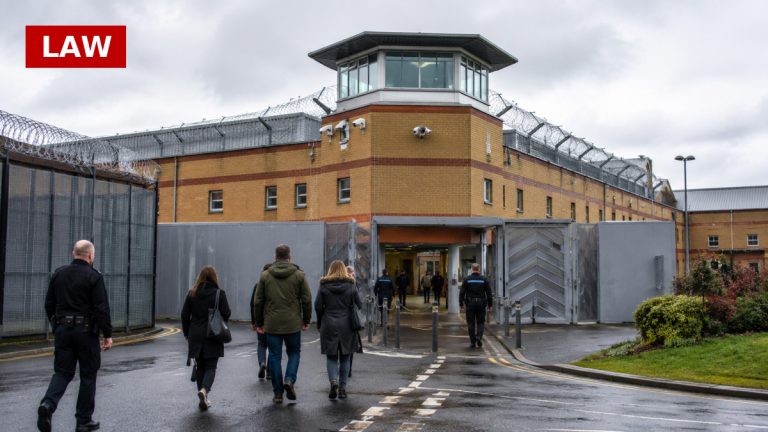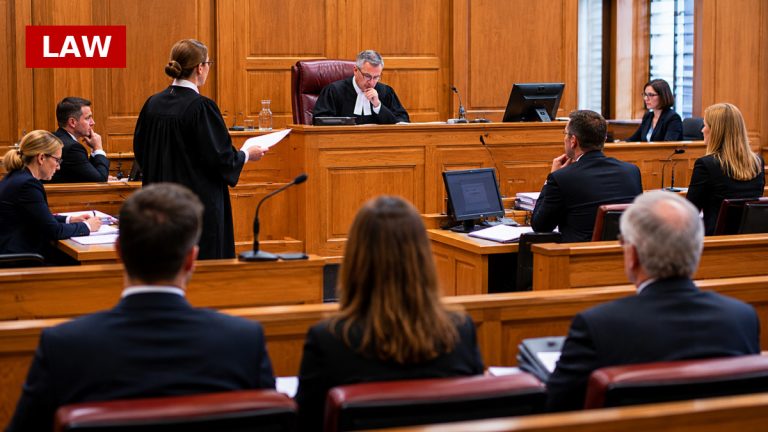
The trial of five pro-Palestinian activists in Germany has ignited a significant debate about the treatment of political protest in a country traditionally supportive of Israel. The activists, including two British citizens, face serious charges related to property damage at an Israeli arms manufacturer. This case raises questions about how Germany balances its legal framework against political expression, particularly as the prosecution labels the activists as part of a ‘criminal organisation’.
The implications of this trial extend beyond the courtroom, potentially influencing how future protests are managed in Germany and possibly affecting similar movements across Europe. Critics argue that using criminal charges against activists could deter legitimate political expression and protest, particularly in light of recent legal actions against climate activists.
For UK readers, this case serves as a reminder of the complexities surrounding political activism and the legal repercussions that can arise from protests. The ongoing legal battles in both Germany and the UK highlight the precarious position of activists who challenge government policies or corporate practices.
As the trial progresses, the outcomes may set precedents that could affect how pro-Palestinian activism is perceived and prosecuted in the UK and beyond. Observers are closely watching to see if the legal definitions used in this case will resonate in other jurisdictions, potentially reshaping the landscape of political protest in Europe.
Source: BBC News