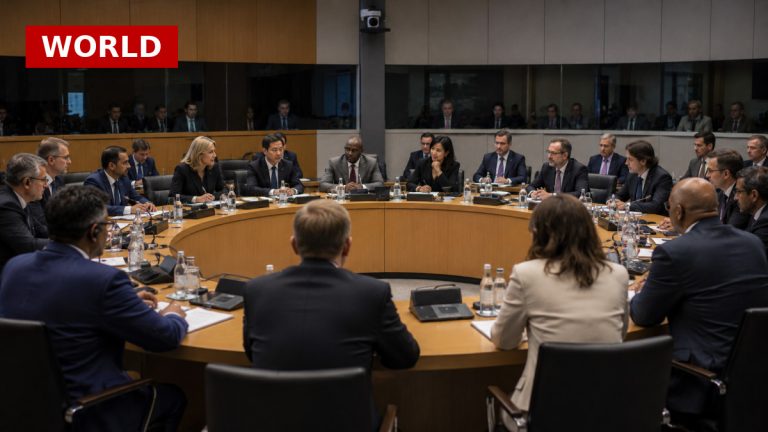
The ongoing conflict between the US and Israel against Iran has reached a critical point, now entering its 100th day. This war has not only escalated military tensions but has also triggered a global energy crisis, affecting economies worldwide. Countries are grappling with rising oil prices and market instability, prompting calls for diplomatic solutions. The situation has highlighted vulnerabilities in energy supply chains, particularly for nations reliant on oil imports.
Gulf states have found themselves directly impacted, with Iran launching retaliatory strikes against US military assets in the region. This has led to heightened security concerns and a reevaluation of alliances. Oman, for instance, has expressed dismay over the conflict’s escalation, fearing it undermines US interests and global peace. Meanwhile, Qatar has condemned Iranian attacks and is advocating for dialogue, reflecting a shift in regional dynamics.
The UAE has taken a more aggressive stance, reportedly conducting airstrikes against Iranian targets, which could further complicate the situation. This military involvement raises questions about the long-term implications for regional stability and the potential for broader conflict. As the ceasefire remains fragile, the international community is watching closely, aware that the outcomes could reshape geopolitical alliances and energy markets.
As countries navigate their positions, the war’s impact on everyday life is becoming increasingly apparent. From rising fuel costs to shifts in diplomatic relations, the conflict’s repercussions are felt far beyond the battlefield, affecting household finances and national security strategies across the globe.
Source: Al Jazeera