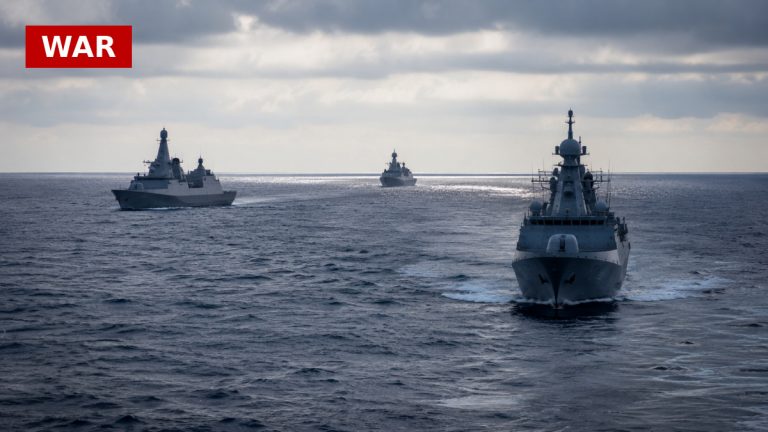
Iran’s recent closure of the Strait of Hormuz, a vital passage for global oil shipments, signals escalating tensions in the Middle East. This strategic move comes as Iran reacts to ongoing Israeli military actions in Lebanon, which it perceives as a direct threat. The closure not only disrupts maritime traffic but also raises concerns about energy prices and supply stability worldwide.
The Strait of Hormuz is crucial, with around 20% of the world’s oil passing through it. Iran’s Islamic Revolutionary Guard Corps has warned that any vessels approaching the strait risk their security, which could lead to increased shipping insurance costs and potential rerouting of oil tankers. This situation could exacerbate already high energy prices, impacting economies globally, including the UK.
As the US and Iran prepare for renewed negotiations in Switzerland, the closure serves as a bargaining chip for Tehran. The Iranian government is demanding that the US adhere to its commitments under a recent memorandum of understanding, which aims to halt military operations in the region. However, Iran’s actions suggest a lack of trust in the US’s willingness to follow through.
The implications of this closure extend beyond immediate regional tensions. If the situation escalates, it could lead to military confrontations, further destabilizing the region and affecting global markets. The international community will be closely monitoring these developments, as the outcome of the negotiations could either ease or intensify the current crisis.
Source: Al Jazeera