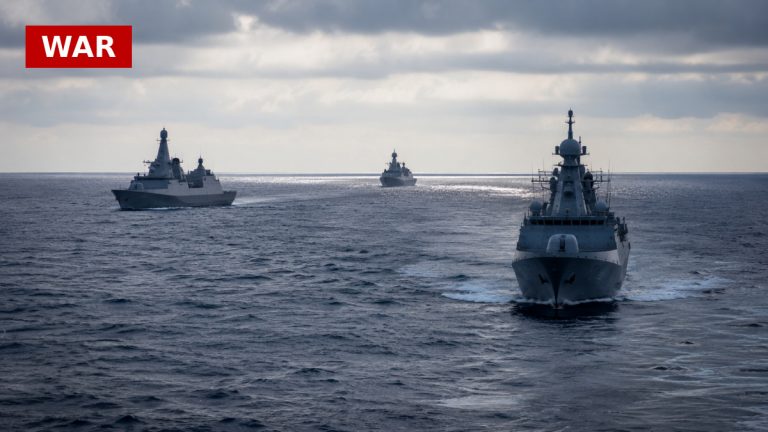
Iranian state media has reported that Tehran has not yet made a final decision regarding a proposed peace deal with the United States. This uncertainty comes despite signals from US President Donald Trump and Pakistan’s Prime Minister Shehbaz Sharif, who indicated that a deal could be reached imminently. The negotiations are critical as they involve the reopening of the Strait of Hormuz, a key oil transit route, and the cessation of Iran’s nuclear weapons program.
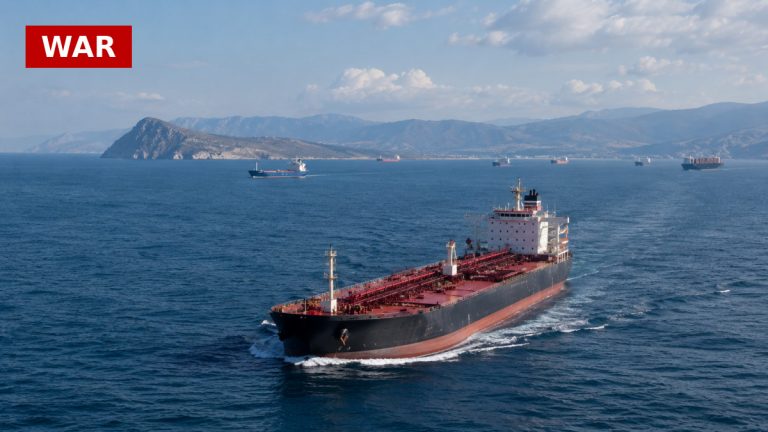
The implications of this deal extend beyond immediate diplomatic relations. If finalized, it could significantly alter global oil markets, impacting prices and supply chains that are crucial for the UK economy. The Strait of Hormuz is a vital chokepoint for oil shipments, and any disruption could lead to increased energy costs for consumers and businesses alike.
Moreover, the peace deal could reshape regional dynamics in the Middle East, potentially reducing tensions and fostering a more stable environment for trade and investment. However, the delay in Iran’s decision raises concerns about the reliability of such agreements and the potential for renewed conflict if negotiations falter.
As the situation develops, the UK must remain vigilant about its energy security and economic interests, particularly if the deal does not materialize as expected. The outcome of these talks could have lasting effects on international relations and economic stability in the region.
Source: Euronews