Iran’s deputy foreign minister has indicated a willingness to advance diplomatic discussions with the US, contingent on Israel’s adherence to a ceasefire agreement concerning Lebanon. This development highlights the interconnectedness of regional conflicts and the delicate balance of power in the Middle East.
The recent cancellation of US-Iran talks, initially set to take place in Switzerland, underscores the volatility of the situation. Iran’s insistence on a ceasefire reflects broader concerns about the humanitarian impact of ongoing Israeli military actions in Lebanon, which have reportedly resulted in significant casualties.
The memorandum of understanding (MoU) between the US and Iran includes provisions for peace in Lebanon, suggesting that any future negotiations will hinge on Israel’s compliance. This could lead to a shift in how regional powers engage with one another, particularly if Iran perceives a lack of commitment from the US to enforce the terms.
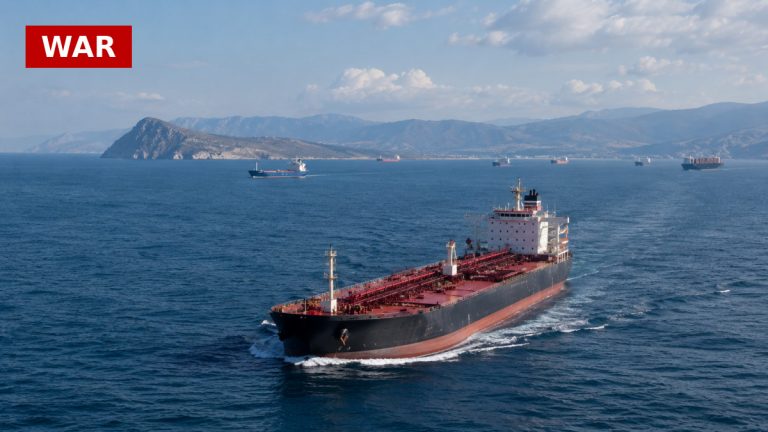
As tensions escalate, the potential for a broader conflict looms, affecting not only Lebanon but also the stability of the Strait of Hormuz, a critical maritime route. The outcome of these diplomatic efforts may have lasting implications for security and economic conditions in the region, influencing global energy markets and international relations.
Source: Al Jazeera