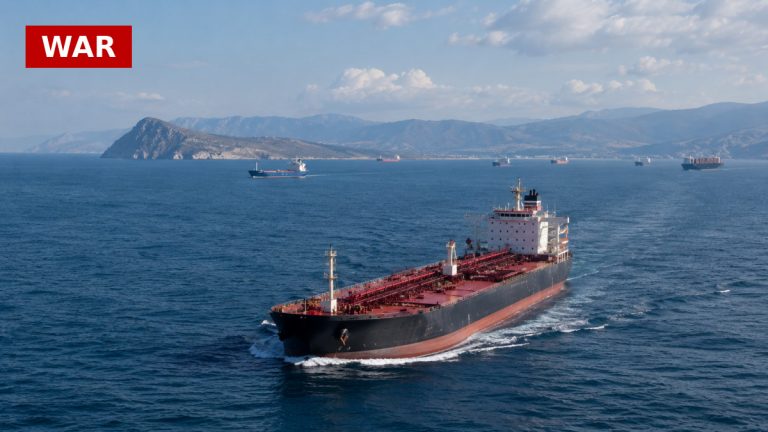
The ongoing conflict with Iran has raised significant questions about the United States’ role as a global superpower, particularly regarding its ability to ensure freedom of navigation in critical waterways like the Strait of Hormuz. Despite its military might, the US appears unable to dictate terms to Iran, which has successfully leveraged its capabilities to disrupt shipping and energy supplies in the region.
This shift in power dynamics is not just a matter of military strategy; it has profound implications for global trade and energy markets. The potential for Iran to extract fees from vessels passing through the Strait could redefine international shipping costs and alter the flow of oil, impacting economies worldwide. As the US negotiates terms with Iran, the outcome could either reaffirm or diminish its status as a guarantor of global trade.
Moreover, the conflict has left Gulf states questioning the reliability of US protection, as their infrastructure remains vulnerable to Iranian threats. This uncertainty could lead to a regional realignment, with nations seeking alternative security arrangements, further complicating the geopolitical landscape.
Ultimately, the US’s inability to effectively manage the situation in Iran may signal a shift in global power dynamics, where traditional superpowers face challenges from regional actors. The implications of this conflict extend beyond military engagements, affecting economic stability and international relations for years to come.
Source: DW News