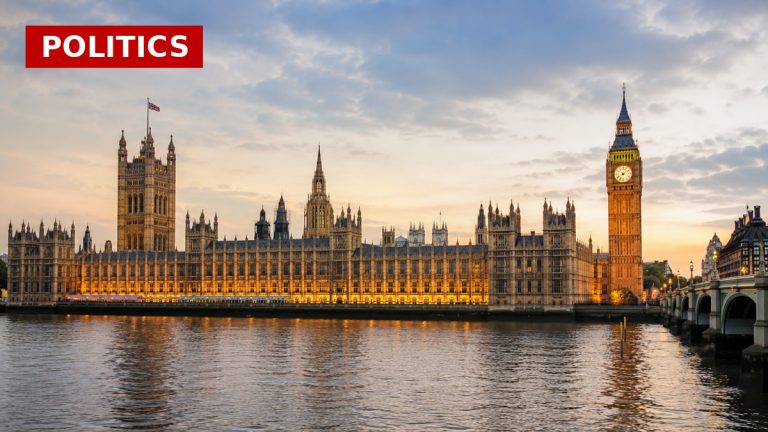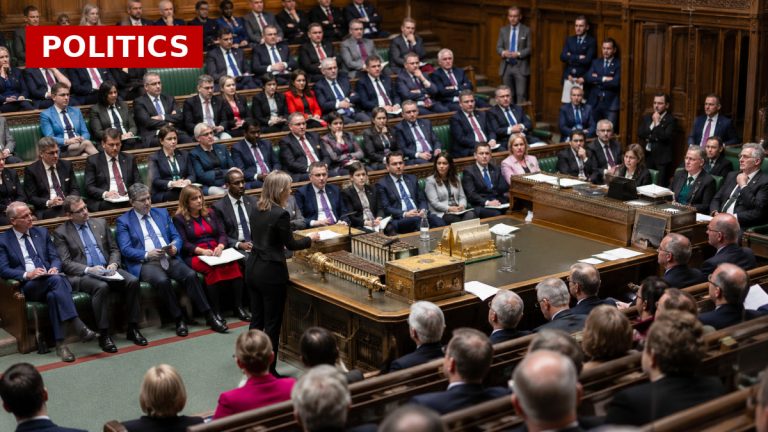
Keir Starmer’s announcement to resign as Prime Minister marks a significant turning point for the Labour Party and the UK political landscape. With a leadership contest set to begin, the party faces the challenge of uniting behind a new leader who can restore its fortunes ahead of the next general election. Starmer’s resignation comes after increasing pressure from within his party, particularly following a recent by-election win by rival Andy Burnham, highlighting a shift in party dynamics and voter sentiment.
The implications of Starmer’s departure extend beyond party politics. His resignation could lead to a re-evaluation of Labour’s policies and strategies, especially as they relate to key issues like the economy and public services. The new leader will need to address the concerns of both party members and the electorate, who have expressed dissatisfaction with Starmer’s leadership and the party’s direction.
As Labour prepares for this transition, the focus will be on how quickly they can establish a new leadership and what that means for their electoral prospects. The party’s ability to present a cohesive vision and regain public trust will be crucial in the coming months. This leadership change could also influence the Conservative Party’s strategy as they respond to a potentially revitalised Labour.
In the wake of Starmer’s resignation, the political landscape is set for a shake-up, with the potential for new ideas and leadership styles to emerge. The next leader will not only inherit the challenges faced by Starmer but will also have the opportunity to redefine Labour’s identity and approach as they head towards the next election.
Source: Al Jazeera