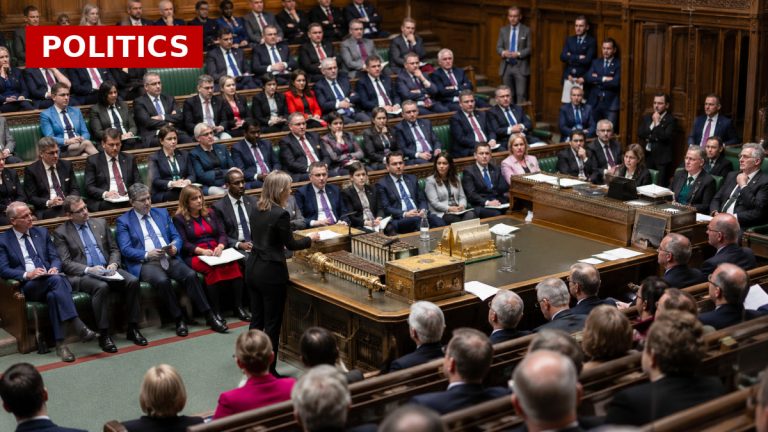
Keir Starmer’s resignation as Labour leader marks a pivotal moment for the party, potentially reshaping its future direction. With Andy Burnham emerging as a likely successor, the transition could lead to significant policy shifts and a re-evaluation of Labour’s core values.
The immediate impact of this leadership change may be felt in the party’s approach to governance and public engagement. Burnham’s leadership style and policy priorities could either reinvigorate Labour’s base or alienate moderate supporters, depending on how he navigates the party’s internal dynamics and public expectations.
Moreover, this change comes at a time when the UK is facing pressing issues, including economic challenges and public service demands. The new leadership will need to quickly establish its credibility and vision to avoid losing ground to the opposition, particularly as the political landscape continues to evolve.
As Labour prepares for this new chapter, the implications of Starmer’s departure could resonate beyond party lines, influencing voter sentiment and the broader political discourse in the UK. The next few months will be crucial for Labour as it seeks to redefine itself and connect with the electorate.
Source: The Guardian