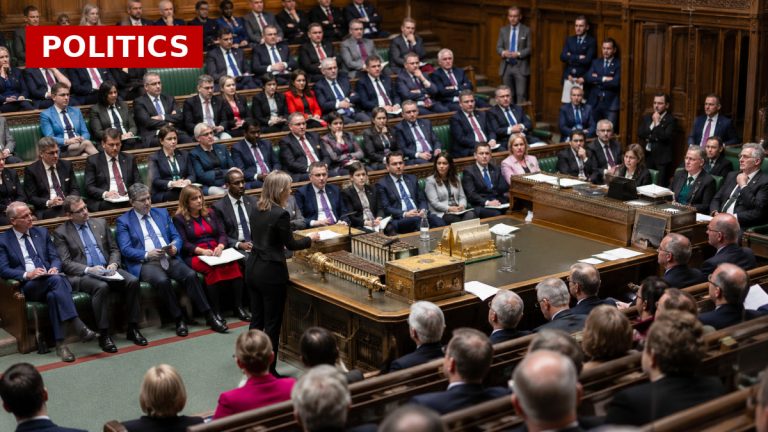
As Andy Burnham contemplates expanding state ownership, echoes of Clement Attlee’s postwar policies resonate. Attlee’s government nationalised key sectors, believing that state control could remedy economic struggles. Today, with rising debts and private companies prioritising profits, Burnham’s ambitions reflect a renewed interest in nationalisation as a solution to the UK’s financial woes.
The historical context reveals that nationalisation was not merely a political choice but a response to crises. The Great Depression and the Second World War shifted public sentiment towards government intervention in the economy. Attlee’s administration capitalised on this, nationalising industries to ensure stability and efficiency, which many believe could be a model for today’s challenges.
However, the success of such a strategy hinges on public support and effective management. Burnham must navigate the complexities of modern economics, where the balance between state control and private enterprise remains contentious. The lessons from the past highlight the need for a clear vision and robust planning to avoid the pitfalls of previous nationalisation efforts.
Ultimately, as the UK faces economic uncertainty, the debate over nationalisation could reshape the landscape of public services and utilities. Burnham’s approach may not only revive historical policies but also redefine the role of the state in a modern economy, potentially leading to significant changes in everyday life for citizens.
Source: The Guardian