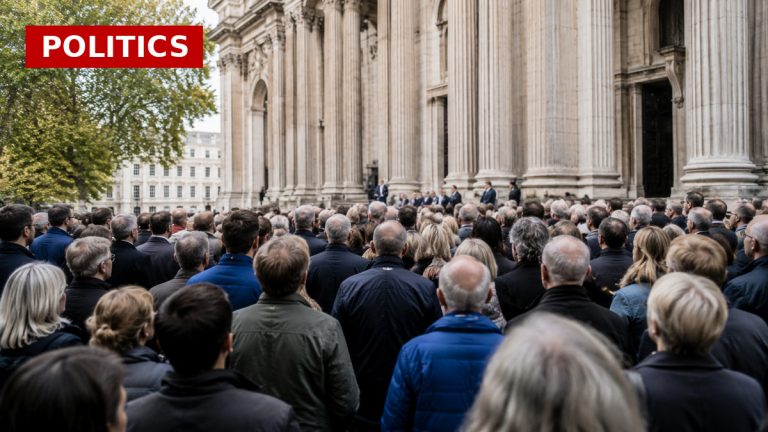
Tens of thousands of protesters, primarily university students, gathered in Belgrade to demand early elections and an end to government corruption. This movement, ignited by the tragic Novi Sad rail disaster in 2024, reflects widespread dissatisfaction with President Aleksandar Vucic’s administration. The protests have gained significant public support, highlighting a collective desire for change in Serbia’s political landscape.
The demonstrations are not just about immediate political grievances; they also underscore a broader struggle against perceived authoritarianism. Vucic’s government has faced criticism for its heavy-handed tactics against dissenters, raising concerns about the future of democracy in Serbia. As the country seeks EU membership, its democratic backsliding could jeopardise vital funding from the EU, which has warned of potential financial consequences.
The protests are a crucial moment for Serbian youth, who are increasingly vocal about their rights and future. The lack of a unified political platform among the protesters poses challenges, but their determination to challenge the status quo is evident. With elections potentially on the horizon, the outcome could reshape Serbia’s political dynamics significantly.
As these events unfold, the implications for Serbia’s relationship with the EU and its internal political stability will be closely monitored. The protests may serve as a catalyst for change, not only in Serbia but also in how young people engage with politics across the region.
Source: Al Jazeera