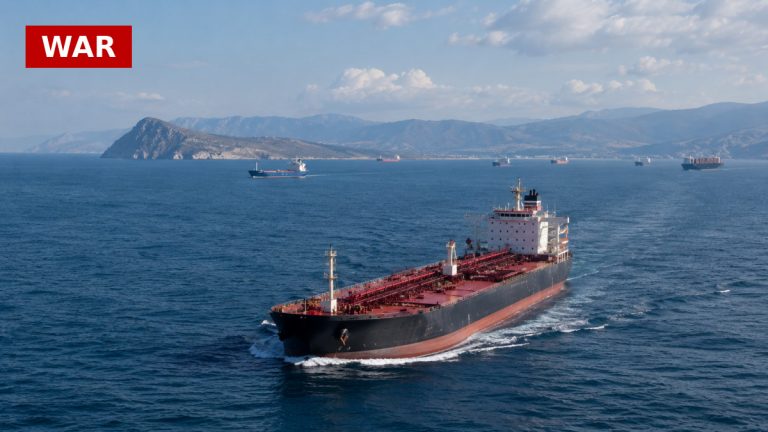
A proposed naval mission by U.S. allies aims to ensure safe navigation through the Strait of Hormuz, a critical maritime chokepoint for oil and gas supplies. This initiative follows a tentative ceasefire deal with Iran, which has raised concerns about underwater mines threatening commercial vessels. The mission would involve mine clearance operations and military escorts, reassuring shipping crews and insurers about the safety of their routes.
France and the UK are leading the charge, with plans to deploy naval assets, including the French aircraft carrier Charles de Gaulle. This presence could deter potential Iranian aggression and enhance security for shipping lanes, which are vital for global energy supplies. The mission’s success hinges on the stability of the ceasefire, as any resurgence of conflict could escalate risks for naval operations in the region.
While the naval mission is seen as a stabilising force, analysts caution against overestimating its effectiveness. The presence of European naval forces may raise the stakes for Iran, potentially dissuading further hostilities. However, the underlying tensions remain, and the effectiveness of such a mission will depend on the broader geopolitical landscape and Iran’s military posture.
Ultimately, this initiative reflects a commitment from Western allies to maintain freedom of navigation in the region, which is crucial for global trade. As the situation evolves, the implications for shipping and energy markets could be significant, influencing everything from oil prices to insurance costs for maritime operations.
Source: PBS News