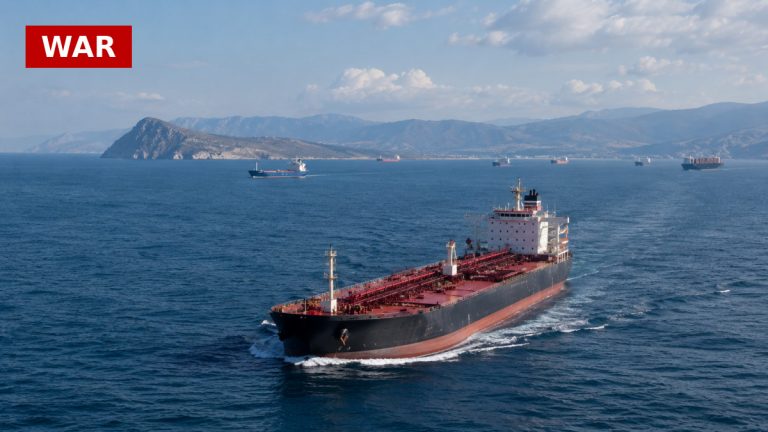
Recent statements from US President Donald Trump indicate that ships are beginning to transit the Strait of Hormuz, a vital waterway for global oil shipments. This development comes as the US and Iran prepare to sign a memorandum of understanding aimed at easing tensions and potentially lifting a naval blockade on Iranian ports. However, the reopening of this strait is not as straightforward as it may seem.
While the initial deal promises to open the strait, experts warn that full operational normalcy could take months. Shipping companies are likely to be cautious, with mine-sweeping operations expected to last up to 50 days before they feel secure enough to resume regular passage. This delay could have significant implications for global oil prices and supply chains, especially given that around 500 ships are currently waiting to pass through.
Moreover, the geopolitical landscape surrounding the strait remains complex. Iran’s leverage over this critical route means that any future tolls or fees for passage could impact shipping costs and international trade. The discussions around these fees will be crucial in determining how freely this waterway can operate in the future.
As negotiations unfold, the situation in the Strait of Hormuz will continue to be a focal point for international maritime security and economic stability. The outcome of these talks could reshape not only regional dynamics but also the global oil market, affecting prices and supply chains for consumers worldwide.
Source: Al Jazeera