Despite a recent US-Iran agreement aimed at reducing regional tensions, Israeli air strikes in southern Lebanon persist, raising concerns about the deal’s viability. The continued attacks, including drone strikes in Tyre and Nabatieh, have led to injuries and fatalities, undermining the fragile ceasefire. This situation not only threatens the peace framework but also complicates ongoing negotiations between Israel and Lebanon, which have been separate from the US-Iran discussions.
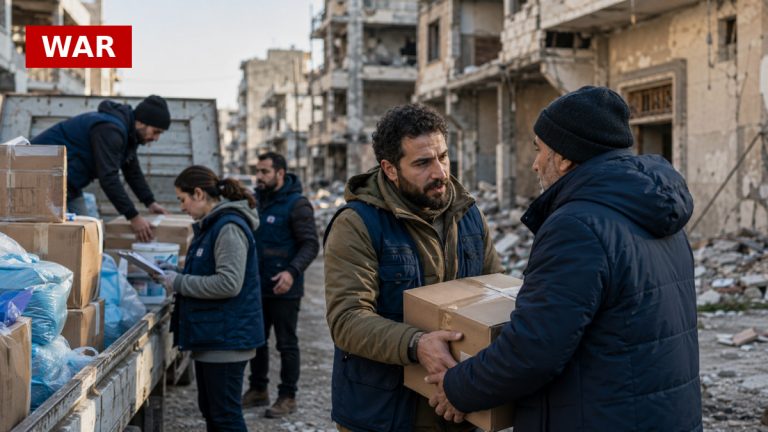
The Israeli military’s actions are viewed as attempts to assert control over strategic areas, with Iran warning that such violations could provoke a severe response. The conflict has already displaced over a million people in Lebanon, with Amnesty International condemning the forced displacements as potential war crimes. The humanitarian implications are dire, as families are unable to return to their homes amid fears of further violence.
As the situation evolves, the dynamics between Israel, Lebanon, and Iran will be critical in determining the future of regional stability. The ongoing strikes may not only escalate military tensions but also hinder diplomatic efforts aimed at achieving a lasting peace. The international community’s response will be pivotal in addressing the humanitarian crisis and ensuring compliance with international law.
With the backdrop of these developments, the upcoming talks between Israeli and Lebanese officials in Washington will be crucial. The outcome could either pave the way for a more stable relationship or exacerbate existing tensions, further complicating the already volatile situation in the region.
Source: Al Jazeera