In Lagos, rising fuel prices are reshaping the ride-hailing landscape, making it a luxury for some commuters. Following the removal of a petrol subsidy, fares have surged, prompting many to rethink their transport choices. While some residents rely on ride-hailing more than ever, others are switching to cheaper public transport options, such as the iconic danfo buses, to manage costs.
This shift in behaviour highlights a growing divide among commuters. For individuals like Blessing Ade, ride-hailing remains essential due to convenience and safety concerns, especially for those with young children. However, others, like media practitioner Saanu Olomoda, are cutting back on app usage, often abandoning trips when prices rise too high.
The impact of these changes extends beyond individual choices; they reflect broader economic pressures affecting daily life in Lagos. As drivers face reduced demand during non-peak hours and negotiate fares directly with passengers, the dynamics of the ride-hailing market are evolving. This could lead to a more fragmented transport system as users adapt to fluctuating costs.
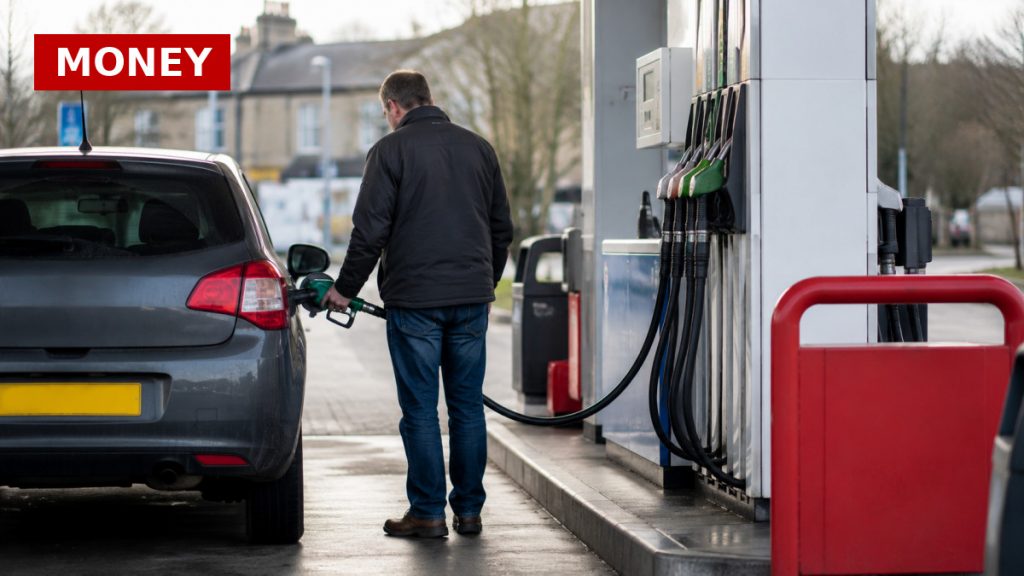
For UK readers, this situation serves as a reminder of how fuel prices can ripple through transport systems, influencing daily commutes and travel habits. As fuel costs fluctuate globally, similar patterns could emerge in the UK, affecting how people choose to travel and the affordability of ride-hailing services.
Source: DW News