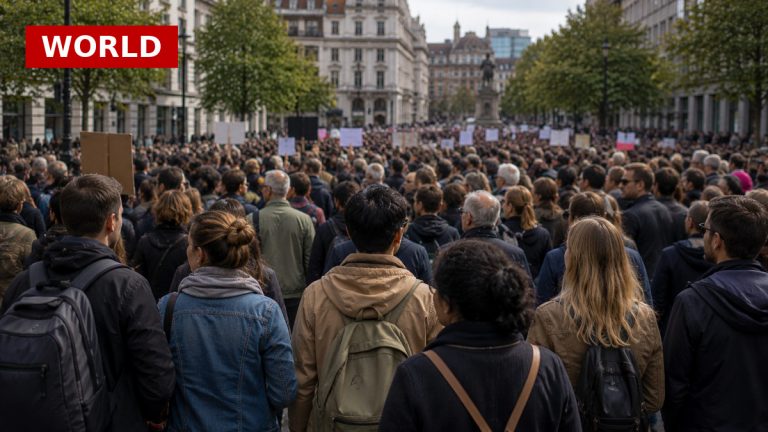
The tragic death of a German train conductor following a violent attack has ignited a critical discussion about safety in public transport. This incident highlights a disturbing trend: nearly 3,000 railway employees faced assaults last year alone, with the frequency of such attacks increasing since 2015. The implications extend beyond the immediate tragedy, revealing a systemic issue within the railway system that affects not only conductors but also police and emergency responders.
Research indicates that violence often occurs during ticket inspections, particularly when passengers are intoxicated or when trains are overcrowded. This raises questions about the safety protocols in place for railway employees, who are increasingly at risk while performing their duties. The public’s growing desensitisation to such violence poses a significant challenge for authorities aiming to protect workers in these roles.
In response, calls for tougher penalties for attackers have emerged, but experts argue that harsher laws may not deter spontaneous violence. Instead, they advocate for better training and increased security measures, such as de-escalation training and the installation of turnstiles to reduce the need for ticket checks. These changes could fundamentally alter the working environment for railway employees, potentially leading to safer travel experiences for everyone.
As the railway company prepares for a security summit to address these issues, the focus will be on practical solutions that can prevent future incidents. The outcome of these discussions could reshape the landscape of public transport safety in Germany, influencing how railway employees interact with passengers and manage potential threats in their daily routines.
Source: DW News