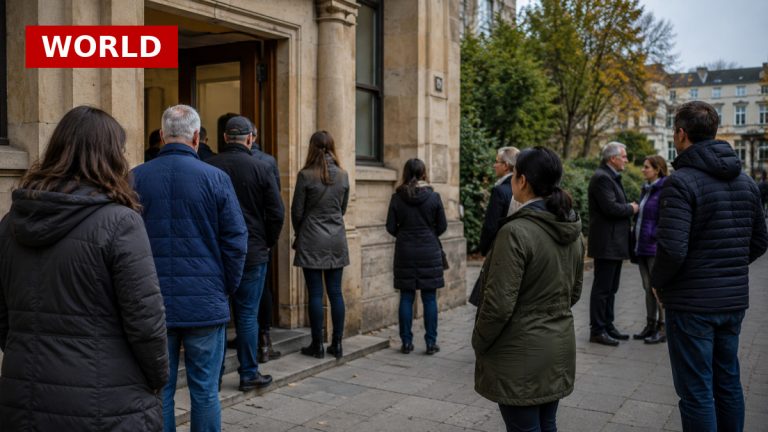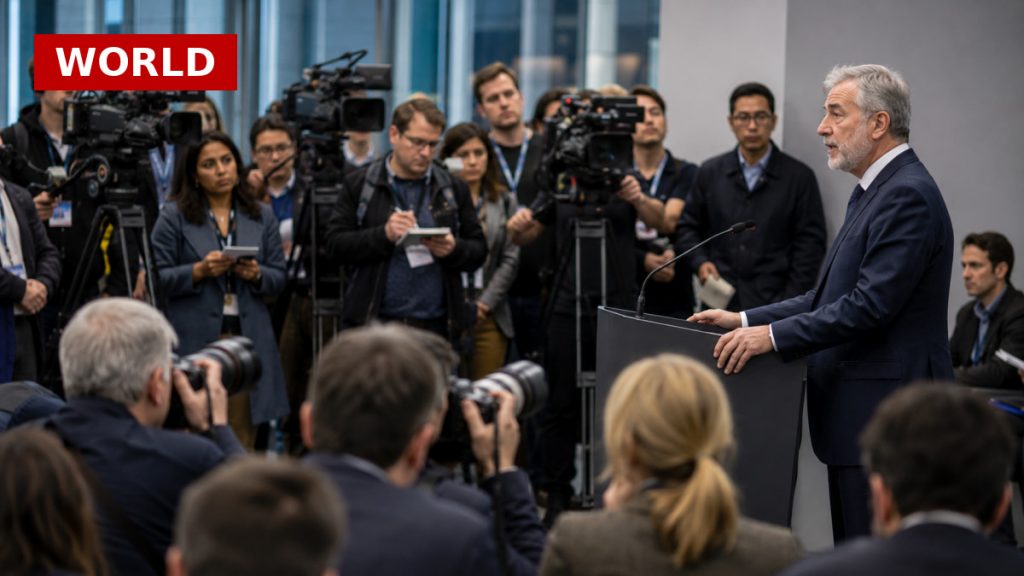
The recent surge in violence in Afghanistan is increasingly linked to socioeconomic pressures rather than just political instability. Nearly five years after the Taliban regained control, the country faces dire economic challenges, including high unemployment and inflation, which exacerbate tensions among the population.
As European nations consider diplomatic engagement with the Taliban, the dilemma remains whether such actions could alleviate humanitarian crises without legitimising a regime known for its oppressive policies, particularly against women and minorities. This precarious balance complicates international relations and humanitarian efforts.
The Taliban’s governance has not improved living conditions, leading to frustration and unrest. Many Afghans are struggling to meet basic needs, which can lead to increased violence as desperation grows. This shift in the nature of conflict highlights the importance of addressing economic issues alongside political ones.
Understanding the root causes of violence in Afghanistan is crucial for any effective intervention. As the international community grapples with how to engage, the focus must shift towards sustainable economic solutions that can help stabilise the region and reduce violence in the long term.
Source: France 24