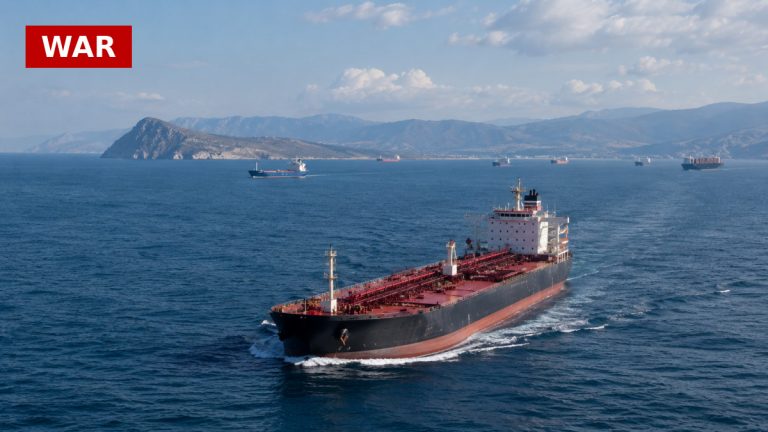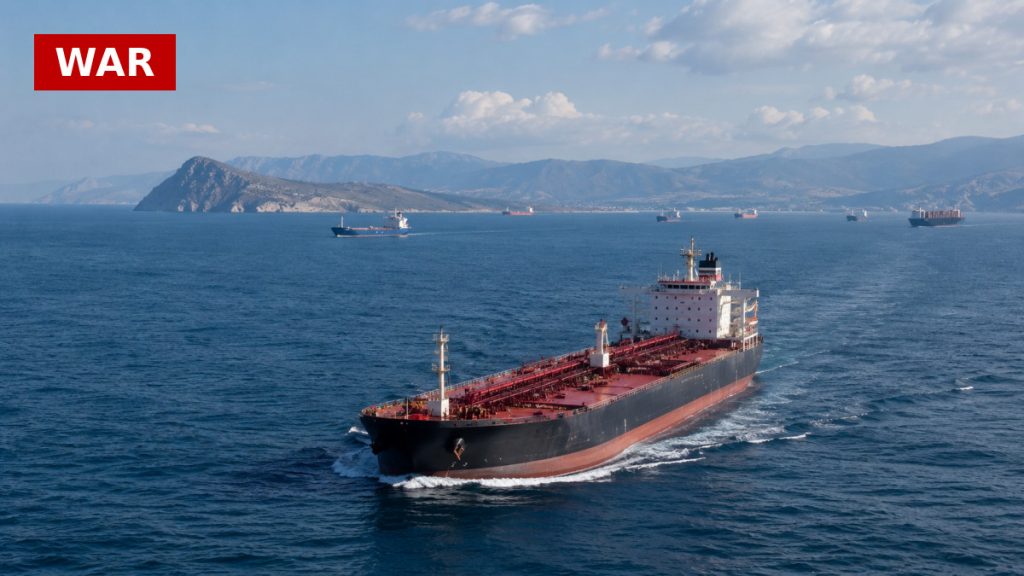
The recent drone strike by Iran on a container ship in the Strait of Hormuz has significant implications for Gulf security and global oil supply. With traffic through this crucial maritime chokepoint largely halted, the incident underscores Iran’s ability to exert pressure during ongoing negotiations with the U.S. This power play not only disrupts shipping but also raises fears among Gulf allies about their security amid U.S.-Iran talks.
As Secretary of State Marco Rubio reassures Gulf allies of U.S. support, the reality is that Iran’s military capabilities, particularly its drone technology, pose a persistent threat. The strike serves as a reminder of Iran’s leverage in the region, potentially emboldening its actions while negotiations unfold. This situation could lead to increased military presence from the U.S. and its allies, further complicating the geopolitical landscape.
Moreover, the halt in shipping traffic may have immediate economic repercussions, affecting oil prices and global supply chains. The U.N. has paused its safety mechanisms for the strait, indicating a heightened state of alert. This could lead to longer-term changes in shipping routes and insurance costs, impacting businesses reliant on this vital trade route.
In essence, the drone strike is not just a localized incident but a signal of the broader tensions that could reshape Gulf security dynamics and international trade. The ongoing situation demands close attention as it evolves, with potential ramifications for energy markets and diplomatic relations in the region.
Source: PBS News