Donald Trump’s recent threats to Iran, warning that the country ‘won’t have a country’ if it closes the Strait of Hormuz, have escalated tensions just as peace talks were underway. His comments, made via social media, directly contradict the diplomatic efforts led by Vice President JD Vance, who is attempting to foster a new relationship with Tehran. This stark contrast highlights the precarious balance between military posturing and diplomatic negotiations.
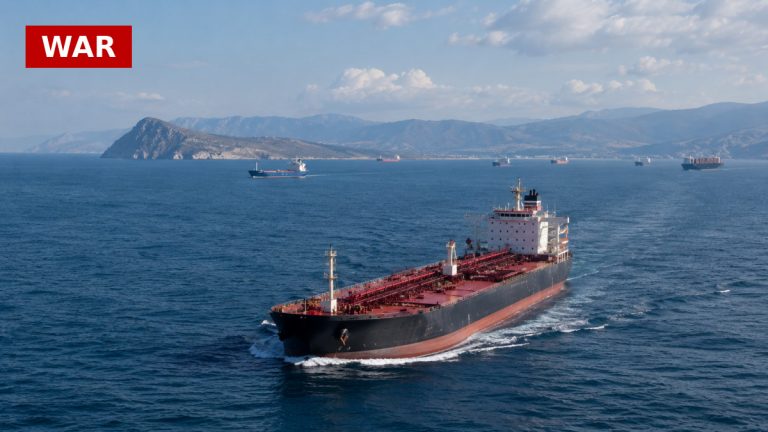
The closure of the Strait of Hormuz by Iran, a critical maritime route for oil shipments, adds urgency to the situation. Trump’s aggressive rhetoric not only jeopardizes ongoing talks but also raises concerns about potential military action, which could have significant implications for global oil markets and security in the region. The threat of renewed conflict looms large, especially with the backdrop of recent Israeli strikes in Lebanon.
Moreover, the fallout from Trump’s statements has already led to Iranian negotiators walking out of discussions, indicating that his approach may be counterproductive. The situation underscores the complexities of international diplomacy, where a single statement can derail months of negotiation efforts and escalate military tensions.
As the world watches, the potential for conflict in the region remains high, and the implications for UK interests, particularly in energy security and international relations, could be profound. The evolving dynamics between the US and Iran will likely influence not just regional stability but also the global geopolitical landscape in the coming months.
Source: The Guardian