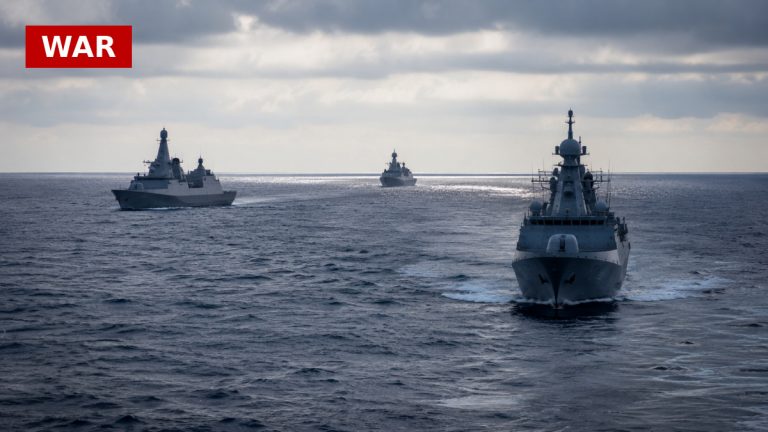
The recent resignations of Defence Secretary John Healey and Armed Forces Minister Al Carns have sparked serious concerns about the UK’s defence capabilities. General Sir Nick Carter, former Chief of the Defence Staff, has warned that Britain is increasingly vulnerable, with potential adversaries closely monitoring the situation. He highlighted the urgent need for increased funding to prevent the UK from becoming ‘Belgium with nuclear weapons’, a metaphor for a nation with significant military assets but lacking the necessary support to maintain them.
Carter’s letter to The Times underscores the precarious state of the UK’s national security, noting that 90% of data travels through undersea cables and that the country relies heavily on imports for food and energy. He pointed out that the UK faces constant cyber threats, which could compromise critical infrastructure. The delay in the Defence Investment Plan, which is supposed to outline funding for military upgrades over the next decade, has been a contributing factor to the current crisis.
The Labour Party, led by Sir Keir Starmer, has acknowledged the need for increased defence spending but has yet to provide a clear strategy to address the funding shortfall. Starmer’s commitment to a more robust defence strategy may not be enough to quell fears about the UK’s military readiness, especially as geopolitical tensions rise globally.
As the government grapples with these challenges, the implications for everyday life could be significant. A weakened defence posture may lead to increased vulnerability to external threats, affecting not just military personnel but also the general public’s sense of security. The call for immediate action is clear: without substantial investment in defence, the UK risks compromising its safety and global standing.
Source: GB News