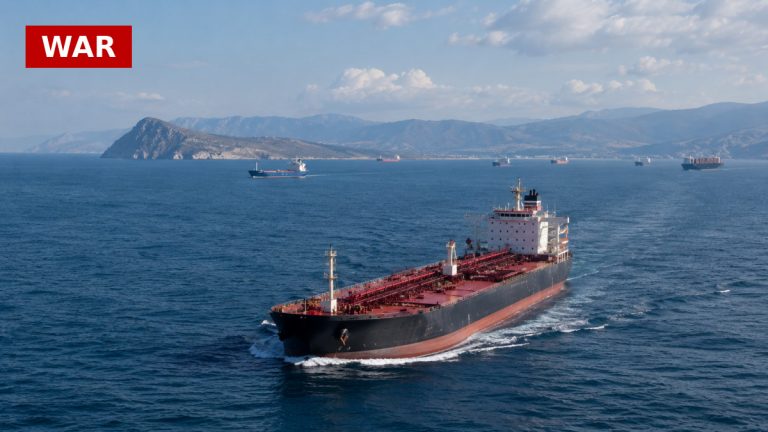
The United Nations has initiated the evacuation of over 11,000 sailors stranded in the Strait of Hormuz, a vital maritime route that has been effectively closed by Iran since the onset of the US-Israel war on Iran in late February. This operation, led by the International Maritime Organization (IMO), comes after a recent memorandum of understanding aimed at easing tensions and reopening the strait for shipping traffic.
The evacuation process is being conducted in collaboration with Iran, Oman, and other regional stakeholders, highlighting the complex geopolitical dynamics at play. As shipping traffic begins to resume, with a record number of vessels reported passing through the strait, the situation remains precarious. The IMO has emphasized the need for a phased evacuation to mitigate risks, particularly the potential for maritime collisions in the congested waters.
This development is significant not only for the sailors involved but also for global trade, as the Strait of Hormuz is a critical chokepoint for oil and goods. The ongoing negotiations between the US and Iran suggest a cautious optimism, yet the future of the strait’s accessibility remains uncertain, with Iran asserting that it will not revert to pre-war conditions.
As international maritime missions are set to assist in reopening the strait, the implications for regional security and trade routes could be profound. The situation underscores the delicate balance of power in the region and the potential for further disruptions if diplomatic efforts falter.
Source: Al Jazeera