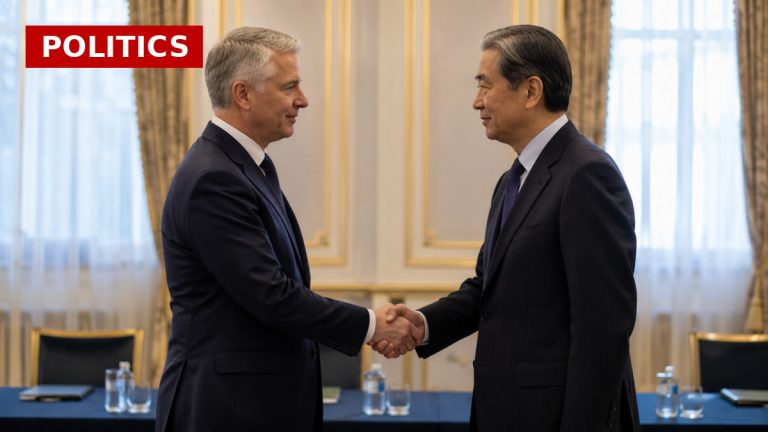
The planned summit between the UK and EU on July 22 is now in jeopardy following Prime Minister Keir Starmer’s announcement of his departure timetable. This shift raises questions about the future of UK-EU relations, which Starmer had aimed to improve through various trade and integration deals. With his successor, likely Andy Burnham, expected to take office shortly before the summit, the EU is reassessing the feasibility of the meeting.
Starmer’s government had prioritised mending post-Brexit ties, but his exit introduces uncertainty into ongoing negotiations. The EU’s chief spokesperson confirmed that plans for the summit are under review, highlighting the potential disruption to agreements that were close to being finalised. Burnham’s leadership could signal a continuation of Starmer’s approach, yet his relative unfamiliarity with EU officials may complicate matters.
As the political landscape shifts, the implications for trade, youth mobility, and energy market integration hang in the balance. The EU’s cautious stance reflects the need for stability in negotiations, which could be jeopardised by a leadership transition. The outcome of this situation will likely influence the UK’s long-term relationship with the EU and its ability to navigate post-Brexit challenges.
With Burnham’s intentions still unclear, the reassessment of the summit underscores the fragility of UK-EU relations. The next few weeks will be critical in determining whether the summit proceeds as planned or is postponed, impacting both sides’ strategic interests in the region.
Source: Euronews