The recent electronic signing of a memorandum of understanding (MoU) between the US and Iran marks a significant shift in their diplomatic relations. This agreement, which aims to suspend military operations, could lead to a broader negotiation framework that impacts not only regional stability but also global energy markets.
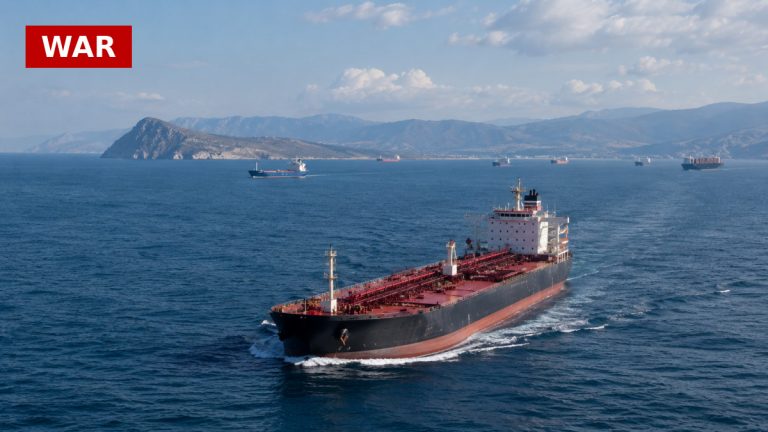
One of the most notable implications of this MoU is its potential effect on the Strait of Hormuz, a crucial waterway for global oil transport. Iran’s insistence on charging fees for passage could disrupt established norms and lead to increased shipping costs, affecting fuel prices worldwide. This change could ripple through economies reliant on stable energy prices, including the UK.
Moreover, the agreement sets a 60-day timeline for further negotiations, during which the US is expected to rally regional partners for a substantial reconstruction fund for Iran. This financial aspect may alter the balance of power in the region, as Iran could leverage these funds to strengthen its position.
As the US administration navigates domestic backlash against perceived leniency towards Iran, the outcome of these negotiations will be closely watched. The MoU is not just a pause in hostilities; it represents a potential recalibration of US foreign policy in the Middle East, with long-term consequences for international relations and security dynamics.
Source: Al Jazeera