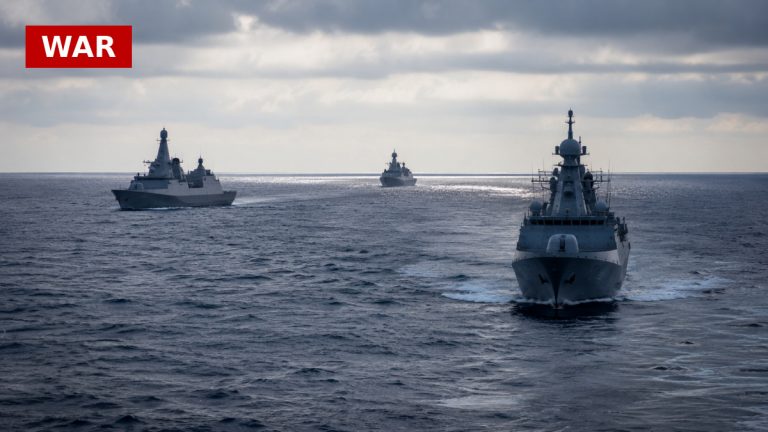
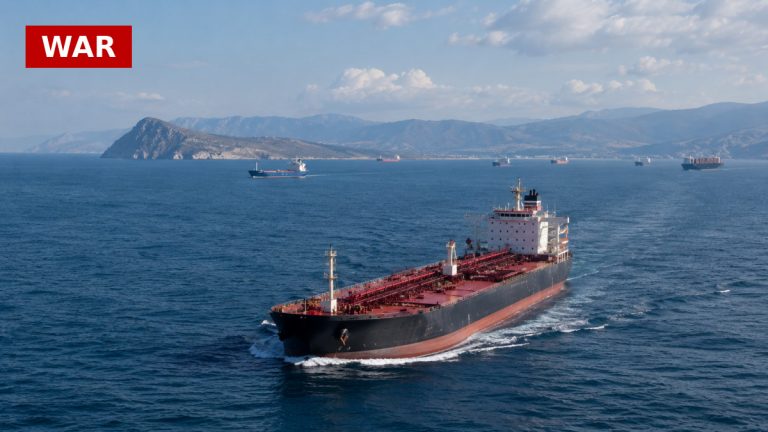
The recent peace deal between the United States and Iran, announced after over 100 days of conflict, has significant implications for global oil markets. With the Strait of Hormuz now open, the flow of oil is expected to resume, potentially stabilising prices that have been volatile due to the conflict. This reopening could alleviate some economic pressures felt globally, particularly in energy-dependent economies.
However, the deal also raises concerns about Iran’s nuclear ambitions. While the agreement aims to prevent Iran from developing nuclear weapons, the country retains a substantial stockpile of enriched uranium. This situation creates a precarious balance, as the international community remains wary of Iran’s intentions.
Moreover, the geopolitical landscape in the Middle East may shift as Iran gains renewed negotiating power. The deal could embolden Iran’s influence in the region, prompting reactions from neighbouring countries and possibly leading to new tensions.
As the world watches the implementation of this agreement, the long-term effects on regional stability and global energy security will be closely monitored. The deal’s success hinges on Iran’s compliance and the broader geopolitical dynamics at play.
Source: Metro