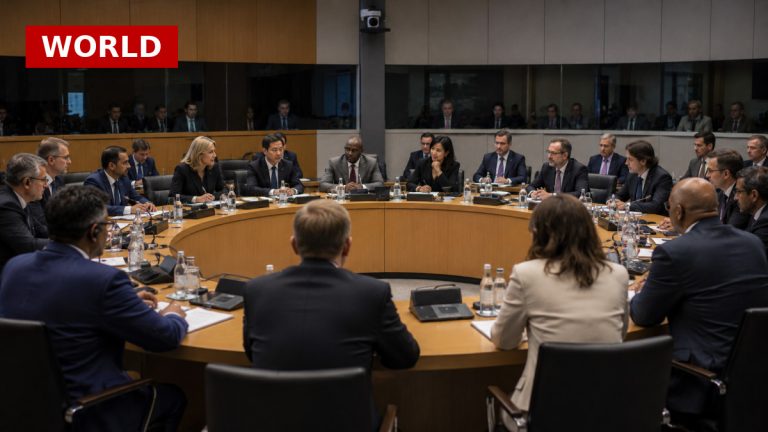
The recent US-Iran talks in Switzerland have sparked cautious optimism amid ongoing skepticism about their long-term viability. While the discussions aim to ease tensions and address the energy crisis affecting ordinary citizens, critics warn that the interim agreement lacks the robustness needed to ensure lasting peace. The focus on reopening the Strait of Hormuz is crucial, yet it only addresses immediate concerns rather than the broader geopolitical landscape.
As negotiators work behind closed doors, the implications of this agreement extend beyond the immediate parties involved. The potential for a shift in energy markets could impact global prices, affecting households and businesses in the UK. If the talks lead to a more stable Middle East, it may alleviate some of the economic pressures currently felt across Europe.
However, the uncertainty surrounding the agreement raises questions about future compliance and verification. The historical context of previous deals, such as the JCPOA, highlights the challenges of ensuring Iran’s adherence to any new terms. This situation serves as a reminder of the complexities involved in international diplomacy and the delicate balance of power in the region.
Ultimately, while the talks represent a step forward, the road to a comprehensive and lasting agreement remains fraught with challenges. The outcome will not only shape US-Iran relations but could also have significant repercussions for global energy security and international stability.
Source: DW News