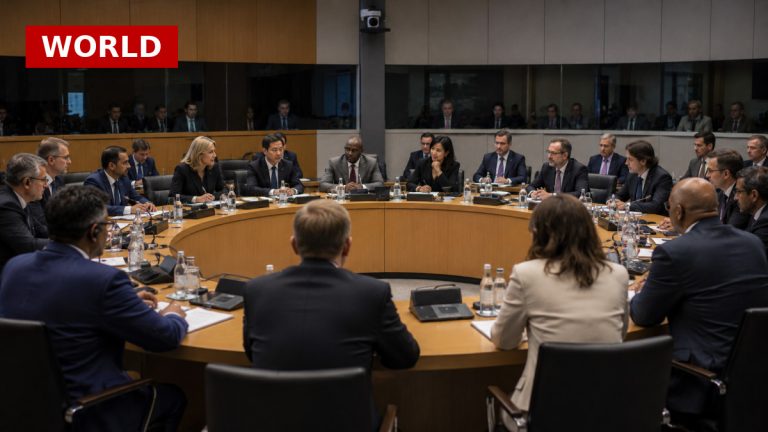
The recent vote by the US Senate to invoke war powers against Iran marks a significant shift in congressional authority over military actions. This resolution, passed by a narrow margin, compels President Trump to seek explicit congressional approval before any further military engagement in Iran. While the resolution allows for limited military presence to prevent imminent attacks, it reflects growing bipartisan unease regarding the ongoing conflict, which has faced widespread unpopularity among the American public.
This decision is particularly noteworthy as it represents the first time both chambers of Congress have directed a president to withdraw forces under the War Powers Act. However, experts caution that the resolution is largely symbolic, lacking the force of law and potentially allowing Trump to circumvent it through existing authorizations for military force. This raises questions about the effectiveness of congressional oversight in military matters and the precedent it sets for future administrations.
The implications of this vote extend beyond immediate military strategy; it signals a potential shift in how Congress engages with executive power regarding foreign conflicts. As the resolution gains traction, it may embolden other lawmakers to challenge presidential military actions, reshaping the balance of power in US foreign policy.
Moreover, the resolution’s passage could impact ongoing negotiations with Iran, as some senators warn that it may embolden Iranian leaders to dismiss diplomatic efforts. The outcome of this vote not only affects US-Iran relations but also highlights the complexities of military engagement and the role of Congress in shaping national security policy.
Source: Al Jazeera