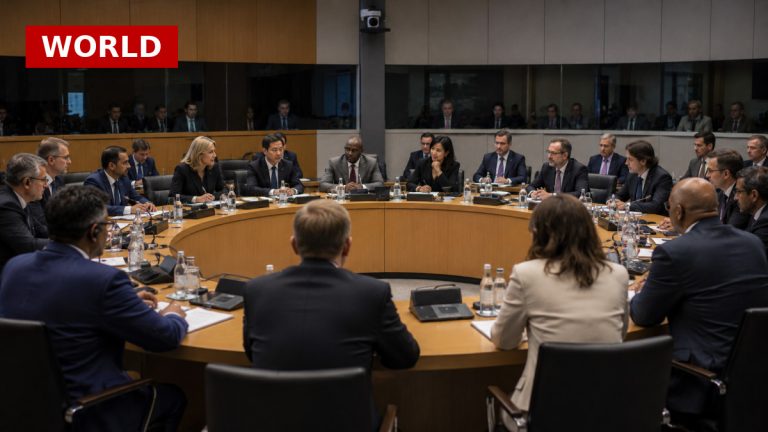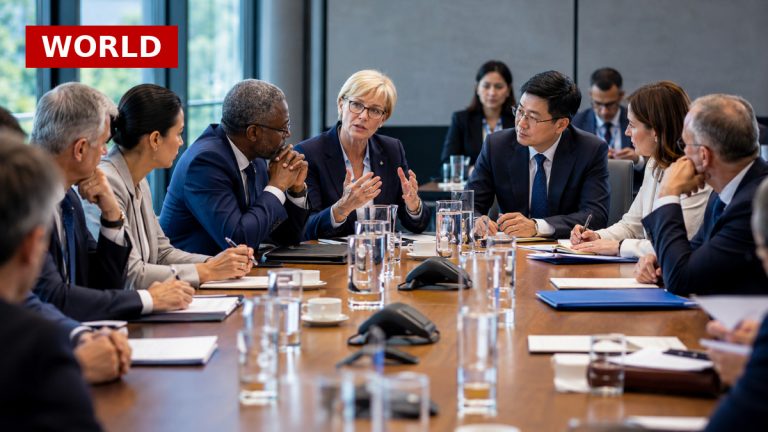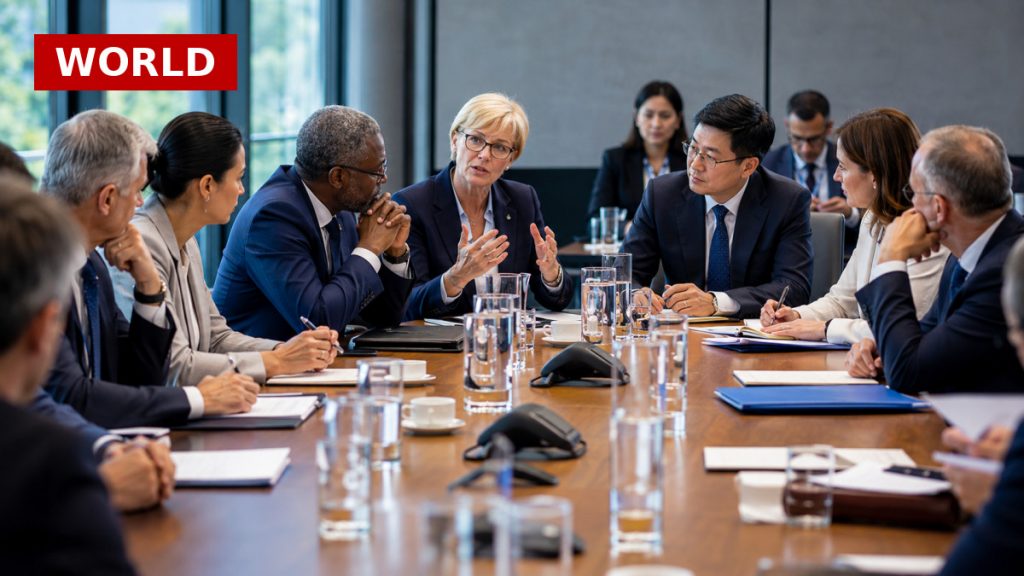
The recent US export ban on Anthropic’s AI models has significant implications for international relations and technology access. By restricting allies from accessing advanced AI, the Trump administration has sparked fears of over-reliance on US technology, prompting calls for greater self-sufficiency among European nations. This move not only strains existing alliances but also highlights vulnerabilities in the global tech landscape, as countries like France and Canada express the need to develop their own AI capabilities.
French President Emmanuel Macron described the ban as a “wake-up call,” emphasizing that nations dependent on foreign technology risk being left vulnerable. The G7 nations are now contemplating a “trusted partner” scheme to ensure equitable access to advanced AI, reflecting a shift towards more collaborative approaches in technology governance. However, the lack of clarity around such initiatives raises questions about their effectiveness and the potential for further divisions.
The ban has also reignited discussions about the need for a unified strategy among democracies to address AI challenges collectively. As countries reassess their technological dependencies, the urgency to innovate and diversify becomes paramount. This situation underscores the broader trend of nations prioritizing technological sovereignty in an increasingly competitive global landscape.
Ultimately, the Anthropic ban serves as a critical reminder of the interconnectedness of technology and international relations, urging countries to rethink their strategies in the face of evolving geopolitical dynamics.
Source: Al Jazeera