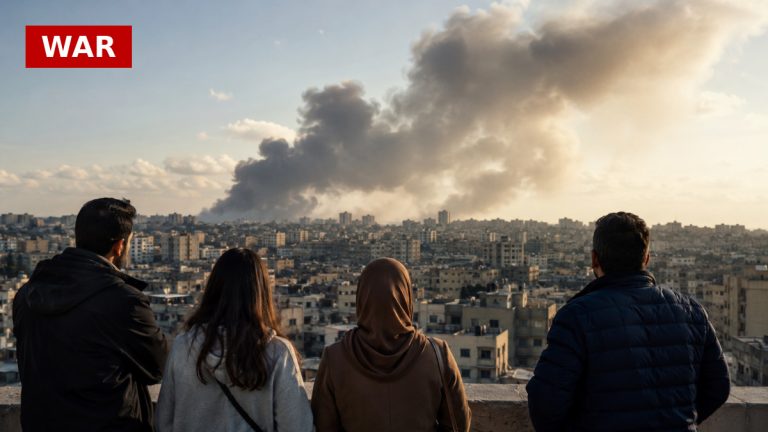
Afghanistan’s recent air strikes on targets in Pakistan have heightened cross-border tensions, threatening an already fragile ceasefire. The strikes, aimed at alleged hideouts of ISIS-Khorasan, signal a significant escalation in hostilities, with both nations accusing each other of harbouring militant groups. This incident not only jeopardises peace efforts mediated by China but also raises concerns about civilian safety, as previous cross-border conflicts have resulted in numerous casualties.
The implications of these strikes extend beyond immediate military concerns. They reflect deep-seated mistrust between Afghanistan and Pakistan, exacerbated by the Taliban’s return to power. As accusations of harbouring militants continue, the potential for further military actions looms large, impacting regional stability and international diplomatic efforts.
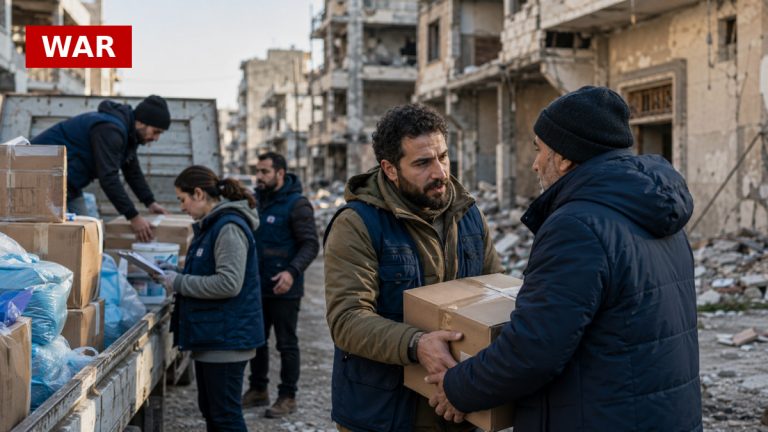
Moreover, the situation poses a risk to everyday life for civilians in border areas, who face the brunt of military operations. The United Nations has reported significant civilian casualties in recent months, highlighting the urgent need for a sustainable resolution to the conflict. The failure of previous ceasefire agreements underscores the challenges in achieving lasting peace.
As both nations grapple with internal and external pressures, the international community must pay close attention to these developments. The ongoing conflict not only affects Afghanistan and Pakistan but also has broader implications for regional security and humanitarian efforts, necessitating a coordinated response to prevent further escalation.
Source: Al Jazeera