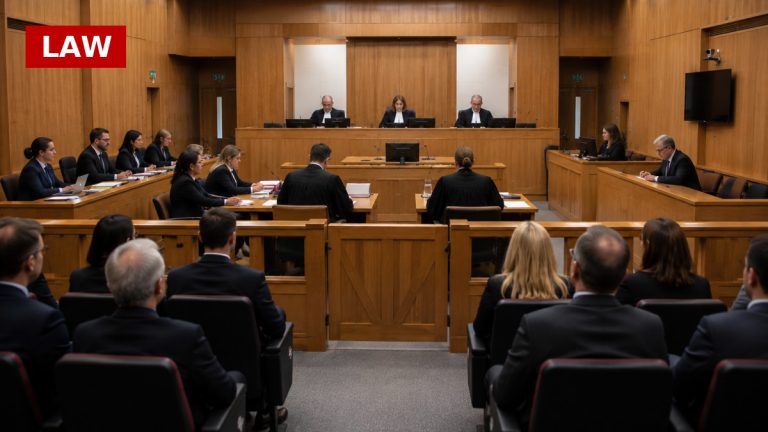
Eight individuals, including a former Marine reservist, have received lengthy prison sentences for their involvement in a protest outside a Texas immigration detention centre. The sentences, which range from 30 to 100 years, have sparked alarm among civil liberties advocates who argue that these harsh penalties could set a dangerous precedent for future protests and free speech rights in the United States.
The case has drawn attention not only for its severity but also for the implications it holds for the First Amendment. Critics warn that labeling the protesters as ‘terrorists’ for their actions during a demonstration could deter individuals from participating in future protests, fearing similar repercussions. This situation highlights a growing tension between law enforcement and civil rights, particularly in the context of political dissent.
The Justice Department’s involvement, particularly after the designation of antifa as a terrorist organisation, raises questions about the government’s approach to dissent and activism. This case may influence how protests are policed and prosecuted in the future, potentially chilling public expression and activism.
As the defendants prepare to appeal their sentences, the broader implications of this case continue to unfold, with many advocating for a reassessment of how protests are treated under the law. The outcome could redefine the boundaries of free speech and protest rights in America, with potential ripple effects felt even in the UK and beyond.
Source: Al Jazeera