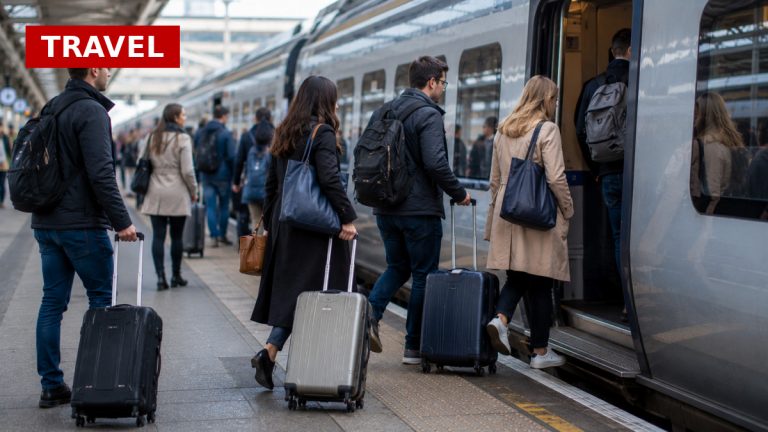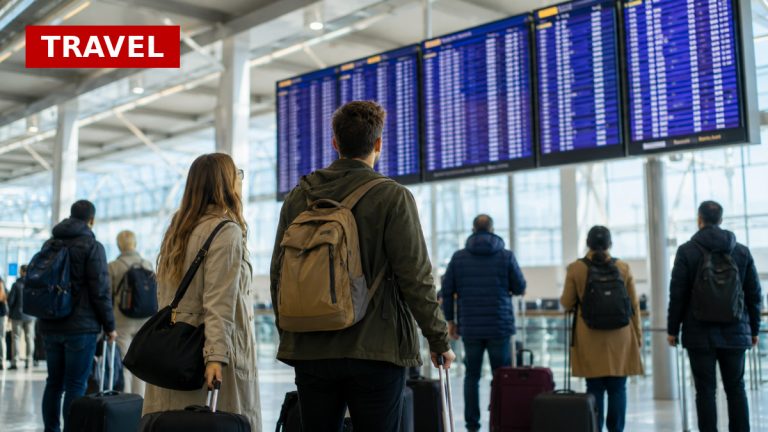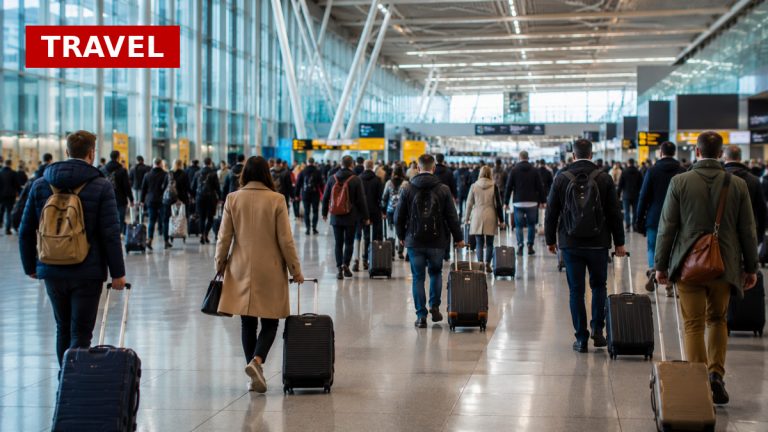
The recent transition from a heatwave to thunderstorms has caused significant disruptions at Heathrow and Gatwick airports, with nearly 800 flights delayed by up to 11 hours. This sudden weather shift not only affects travel plans but also highlights vulnerabilities in the UK’s air traffic management during extreme weather conditions.
Passengers are facing cancellations and long waits, with airlines like EasyJet preemptively cancelling flights and offering refunds. The amber weather warning for extreme heat has been extended, indicating that the impact of these storms may linger, complicating travel further.
Air traffic control has warned that the turbulent weather, stretching from northern Spain to southern Sweden, could continue to disrupt schedules. This uncertainty poses challenges for both airlines and passengers, who must remain vigilant about flight statuses before heading to the airport.
The broader implications of such weather disruptions could affect not just individual travel plans but also the economy, as delays ripple through logistics and tourism sectors. As climate patterns shift, the frequency of such weather events may increase, necessitating a reevaluation of infrastructure resilience and emergency response strategies.
Source: Metro