JD Vance, the US Vice President, recently stated that the US holds a winning position in its dealings with Iran, regardless of the outcome of ongoing negotiations. He emphasized that even without a final agreement, Iran’s nuclear capabilities have been significantly weakened, which he claims is a victory for the US. This perspective raises questions about the long-term implications for regional stability and the potential for future conflicts.
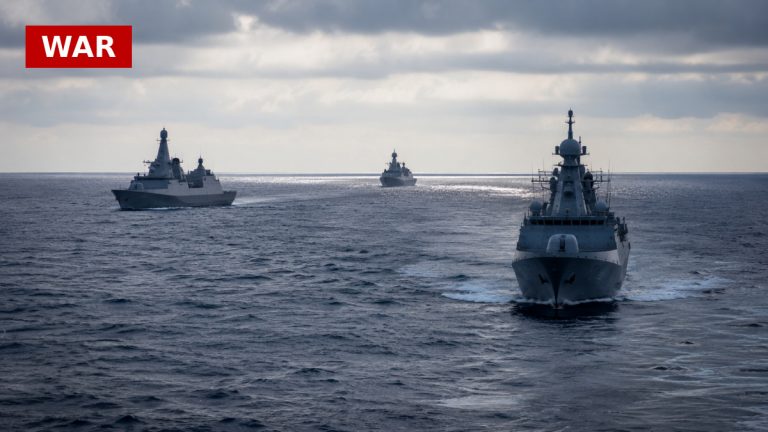
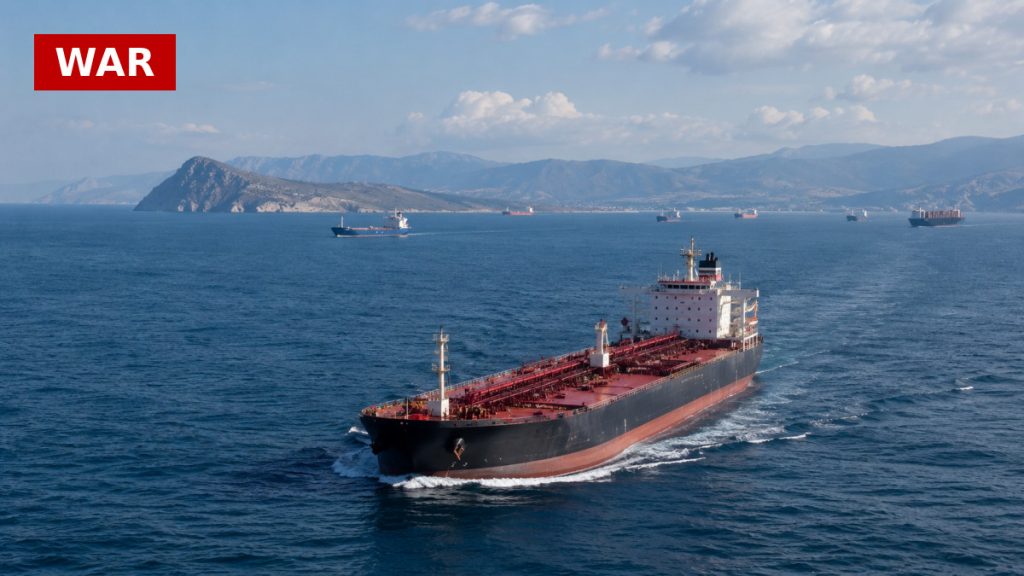
Vance’s comments come amid escalating tensions in the Strait of Hormuz, where military strikes have recently occurred. The situation highlights the precarious balance of power in the region and the risks associated with aggressive posturing. The US’s strategy appears to hinge on the belief that Iran’s diminished nuclear program will deter further aggression, but critics argue that this could lead to a false sense of security.
Moreover, the Vice President’s remarks suggest a shift in US foreign policy, where the focus may increasingly be on military strength rather than diplomatic engagement. This could have significant repercussions for international relations, particularly with allies who may prefer a more collaborative approach to resolving tensions with Iran.
As the US navigates these complex dynamics, the potential for miscalculations remains high. The ongoing negotiations and military actions could set the stage for a new phase of conflict, impacting not only the US and Iran but also the broader geopolitical landscape in the Middle East.
Source: The Guardian