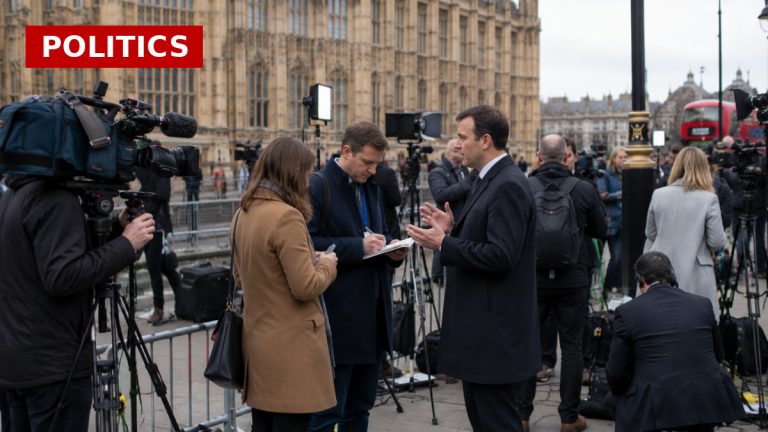
As Andy Burnham returns to Westminster, he faces an overwhelming demand for his attention from various factions within the Labour Party. With a deluge of policy papers and requests for meetings, the pressure to balance competing interests is immense. This situation highlights the complexities of leadership transition, where every decision can have far-reaching implications for party unity and future policy direction.
Burnham’s popularity has created a ‘massive bunfight for influence,’ with MPs eager to secure roles in his potential administration. The challenge lies in managing expectations while navigating the ideological divides within the party. His choice of chancellor will be particularly telling, as it could signal whether he leans towards progressive reforms or maintains a centrist approach.
The intense scrutiny and high stakes surrounding his leadership bid underscore a critical moment for Labour. As factions vie for influence, the decisions made in the coming weeks will shape the party’s trajectory and its ability to respond to national issues. Burnham’s ability to consolidate support while addressing diverse demands will be crucial for his success.
Ultimately, this period of transition is not just about Burnham; it reflects broader themes of power dynamics and the future direction of the Labour Party. The outcomes of these negotiations will resonate beyond Westminster, impacting the party’s relationship with voters and its stance on key policies moving forward.
Source: The Guardian