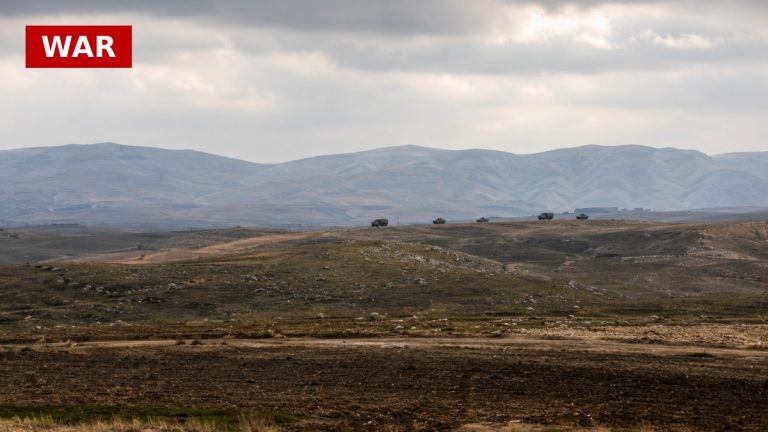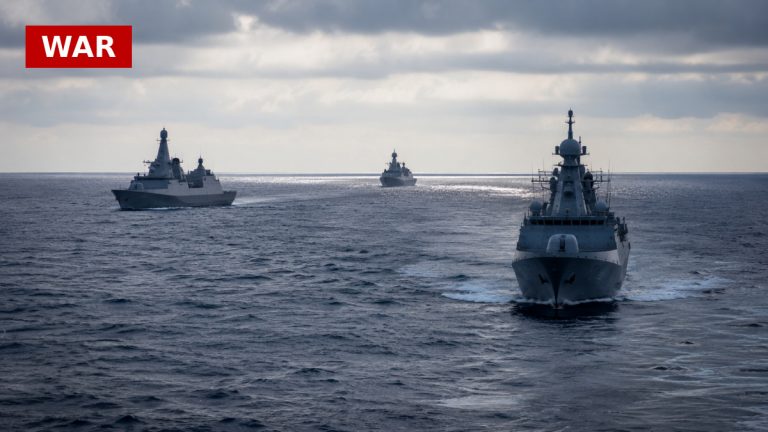
Iran’s recent drone and missile strikes on Bahrain and Kuwait mark a significant escalation in regional tensions, particularly following U.S. military actions against Iranian targets. This series of attacks threatens to derail ongoing negotiations aimed at establishing a ceasefire and reopening the vital Strait of Hormuz, a crucial passage for global oil shipments. The Iranian government insists on its control over the strait, which could lead to further military confrontations if the U.S. continues its strikes.
The implications of these attacks extend beyond immediate military concerns. They signal a potential shift in the balance of power in the region, as Iran’s aggressive posture may embolden its allies and destabilize the already fragile security landscape. Countries like Bahrain, which hosts a significant U.S. military presence, could face increased risks of conflict, impacting their domestic security and economic stability.
Moreover, the ongoing conflict could disrupt global oil markets, as the Strait of Hormuz is a critical route for oil transport. Any prolonged instability could lead to increased oil prices, affecting economies worldwide, including the UK. The situation underscores the interconnectedness of regional conflicts and global economic stability, highlighting how local actions can have far-reaching consequences.
As negotiations falter, the potential for a broader military engagement looms. The international community must navigate these tensions carefully, as any miscalculation could lead to a significant escalation, impacting not just the Middle East but global security and economic conditions as well.
Source: PBS News