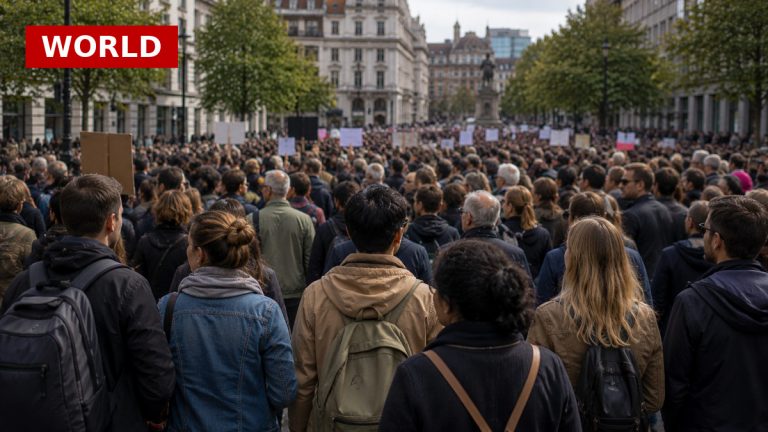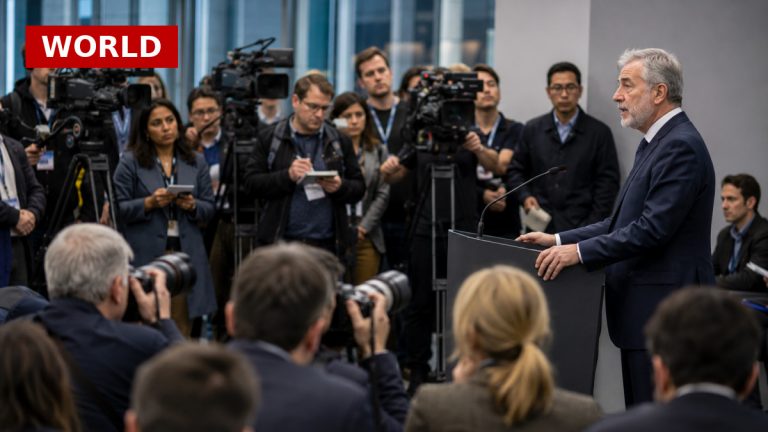
Recent electoral victories for pro-Palestine candidates in the US highlight a significant shift in public sentiment that could reshape political landscapes. Activists, once discouraged by setbacks and crackdowns, are now witnessing the fruits of their long-term efforts, particularly from student protests at institutions like Columbia University. The election of Darializa Avila Chevalier, a former protester, signals a new wave of hope for advocates of Palestinian rights, suggesting that activism can yield results over time despite immediate challenges.
These wins are not isolated; they reflect a broader trend where candidates who support Palestinian rights are gaining traction in various states, including New York and Colorado. This momentum indicates a growing acceptance of pro-Palestine views within the electorate, which could influence future policy decisions and political discourse. The recent successes also serve as a reminder that social movements can have lasting impacts, even when they face significant opposition.
The activism that began on campuses has now transitioned into political representation, demonstrating that the struggle for Palestinian rights is evolving. As public opinion shifts, the implications for US foreign policy and domestic attitudes towards Israel could be profound. The victories of these candidates may inspire further activism and engagement among younger generations, who are increasingly vocal about their beliefs.
Ultimately, the electoral success of pro-Palestine candidates illustrates the resilience of social movements and their ability to effect change over time. As activists celebrate these milestones, they also recognize the ongoing challenges ahead, but the recent wins provide a renewed sense of purpose and direction for the movement.
Source: Al Jazeera