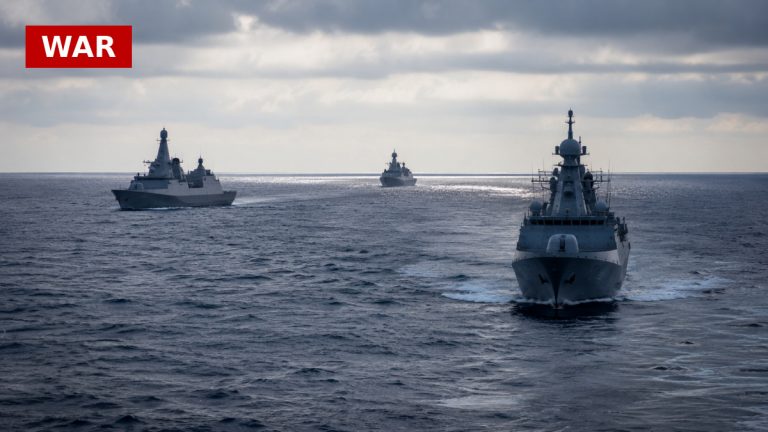
Recent drone sightings over RAF Lakenheath, RAF Mildenhall, and RAF Feltwell have highlighted significant vulnerabilities in UK airspace security. A report from the International Institute for Strategic Studies suggests these drones were likely launched from Russian-linked commercial vessels in the North Sea, raising alarms about foreign surveillance tactics. The implications of this incident extend beyond immediate safety concerns, as it underscores a potential gap in the UK’s defensive capabilities against such threats.
The Ministry of Defence’s inquiry into the sightings revealed no suspects, but the sheer volume of reported drone activity—170 sightings in just one week—indicates a coordinated effort that could challenge existing military protocols. The drones reportedly flew at low altitudes, creating risks for both military and civilian aircraft, evidenced by a near-miss with a US F-15 fighter jet.
In response to these incidents, the UK government is investing heavily in drone defence systems, with plans to enhance air and missile defences significantly. New powers have also been introduced, allowing personnel to shoot down drones deemed a threat. However, experts warn that current measures may not be sufficient to counter the evolving tactics employed by adversaries like Russia.
As these developments unfold, the potential for increased military tensions and the need for robust airspace security measures become ever more critical. The situation serves as a reminder of the changing nature of warfare and the importance of adapting to new threats in the modern landscape.
Source: BBC News