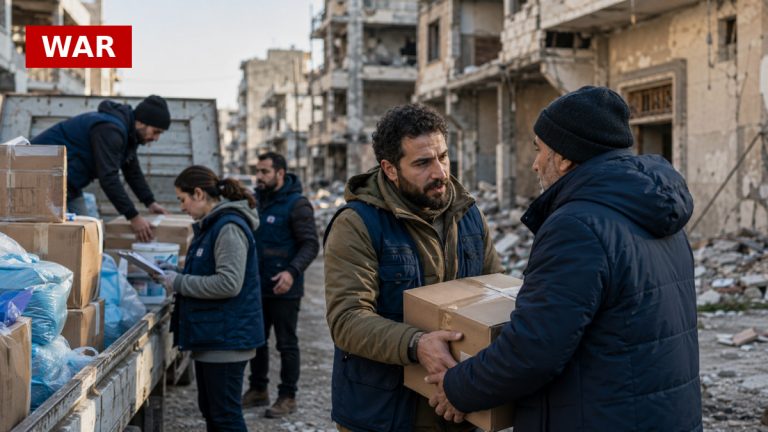
The recent deportation of Palestinian detainees to Egypt has left families in the West Bank grappling with separation and longing. For many, like Amjad al-Najjar, who was released after a decade in prison, the hope of reuniting with children he has never met remains unfulfilled due to Israeli travel restrictions. This situation highlights the emotional toll on families, as children yearn to connect with fathers they only know through phone calls.
The implications of these policies extend beyond individual families. They underscore a broader issue of human rights and the right to family life, which is often overlooked in discussions about the Israeli-Palestinian conflict. The inability to reunite with loved ones can lead to lasting psychological impacts on both parents and children, affecting their ability to form stable family bonds.
Moreover, the situation raises questions about the legal frameworks governing family reunification rights. As families attempt to navigate the complexities of Israeli regulations, many face repeated denials for travel permissions, leaving them in a state of limbo. This ongoing struggle for reunification is not just a personal tragedy; it reflects systemic barriers that perpetuate cycles of separation and trauma.
As the international community observes these developments, the need for advocacy around family reunification rights becomes increasingly urgent. The stories of these families serve as a poignant reminder of the human cost of political decisions, urging a reevaluation of policies that deny basic familial connections.
Source: Al Jazeera