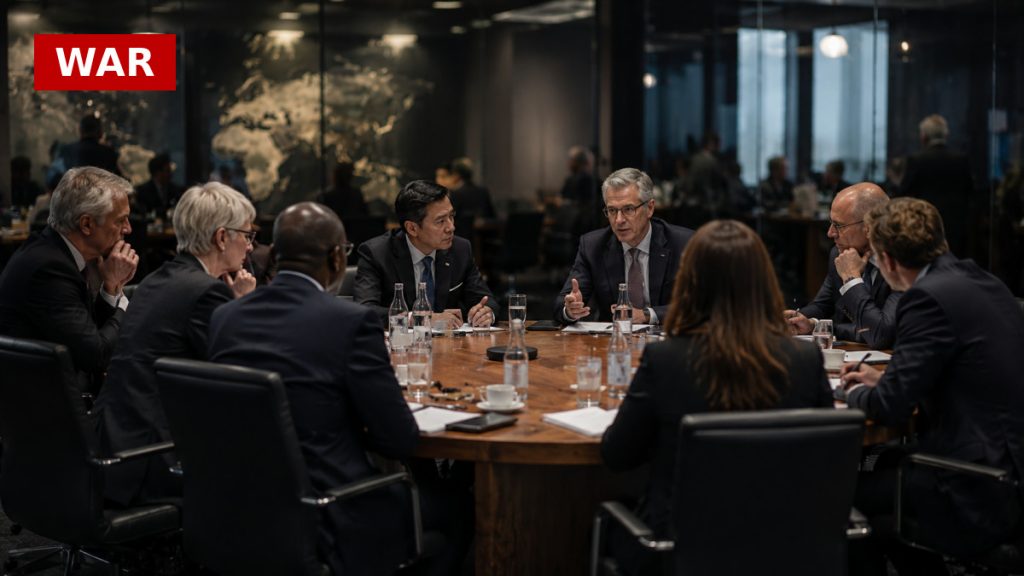
As NATO leaders convene in Ankara, the alliance faces significant challenges that could reshape its future. The ongoing war in Ukraine and tensions stemming from the Iran conflict are at the forefront of discussions. However, the most pressing issue is the strained relationship between the US and its European allies, particularly in terms of military spending and support.
US President Donald Trump’s recent criticisms highlight a growing discontent with NATO’s structure, suggesting that the US bears an unfair burden. This sentiment has raised concerns about the potential for a US withdrawal from NATO, although experts believe such a move is unlikely due to legal and political hurdles. Instead, the focus is shifting towards how Europe can bolster its own defence capabilities in light of changing American commitments.
European nations have already begun increasing their defence budgets significantly, with a 62% rise in spending projected between 2020 and 2025. Yet, major capability gaps remain, particularly in areas like long-range strike capabilities and integrated air defence. Addressing these gaps will require substantial investment and time, potentially up to a decade.
The summit aims to foster greater predictability in transatlantic relations, as European allies seek to establish a more autonomous defence posture. The outcome of these discussions will not only impact NATO’s cohesion but also the security landscape in Europe, especially as reliance on US military support continues to be a critical concern.
Source: Al Jazeera