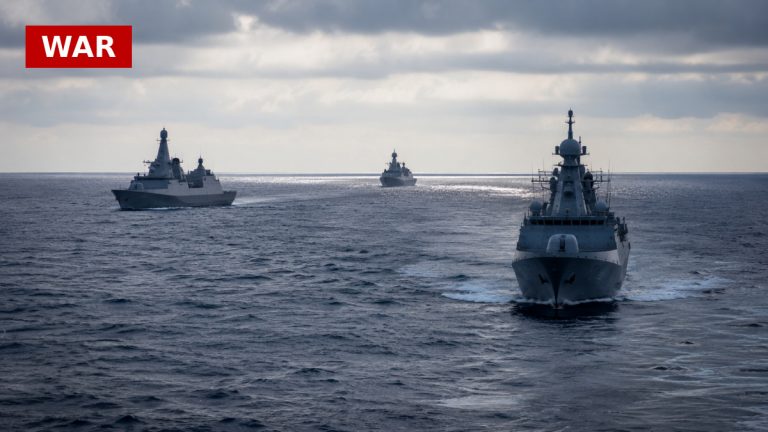
China’s recent test-launch of a long-range ballistic missile from a nuclear submarine in the South Pacific has raised significant concerns among regional nations. This event, the first of its kind since 1980, is seen as a demonstration of China’s expanding military capabilities and its assertive stance in the region. Countries like Australia, Japan, and New Zealand have expressed alarm, highlighting the potential destabilization of the Pacific area and the implications for international security.
The missile test coincided with Australia and Fiji signing a mutual defense treaty aimed at countering Chinese influence, underscoring the geopolitical shifts occurring in the region. The timing suggests that China is not only advancing its military technology but also sending a message to the United States and its allies about its growing power and reach.
Moreover, the test’s compliance with international law, as claimed by China, does little to alleviate fears about transparency in its military activities. Experts note that the lack of clear communication from Beijing regarding its military intentions contributes to regional anxiety, as nations grapple with the implications of China’s military modernization.
As China continues to enhance its nuclear capabilities, including a reported stockpile of 600 nuclear warheads, the potential for miscalculation or conflict in the Pacific increases. This missile test serves as a stark reminder of the evolving security landscape and the need for vigilance among Pacific nations as they navigate these complex dynamics.
Source: PBS News