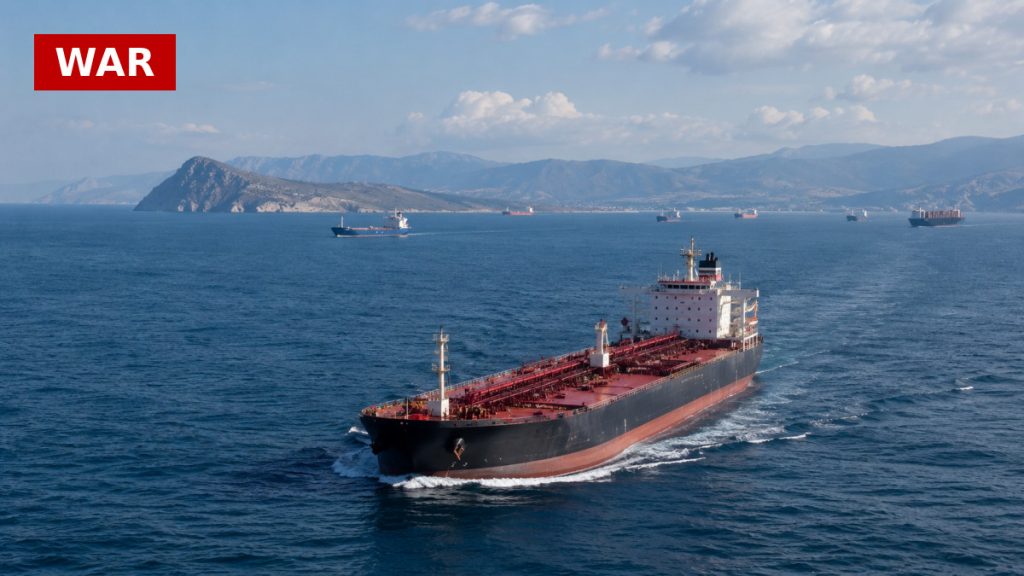
The recent US airstrikes in southern Iran mark a significant escalation in tensions, particularly following Iranian attacks on commercial vessels in the strategically vital Strait of Hormuz. This military response, targeting over 80 Iranian military sites, underscores the fragility of the ceasefire established earlier this year. The strikes not only aim to deter further Iranian aggression but also signal a shift in US policy regarding maritime security in the region.
Iran’s immediate reaction has been one of defiance, with military leaders promising a ‘crushing response’ and targeting US military installations in Bahrain and Kuwait. This retaliatory posture highlights the risk of a broader conflict that could disrupt global oil supplies and increase shipping costs, affecting economies far beyond the Middle East.
The situation is further complicated by the US’s recent revocation of sanctions waivers on Iranian oil, which had been part of a fragile agreement to ease tensions. This move could provoke Iran to intensify its military actions, potentially leading to a cycle of retaliation that disrupts international trade routes.
As the US and Iran navigate this precarious landscape, the implications for global energy markets and regional stability are profound. The ongoing conflict could lead to increased insurance costs for shipping, heightened military presence in the region, and a reevaluation of energy strategies by nations reliant on oil from the Gulf.
Source: Al Jazeera