Pakistan has urged both the US and Iran to exercise restraint amid escalating tensions following a collapse of a fragile ceasefire. The Ministry of Foreign Affairs highlighted the importance of honouring the Islamabad Memorandum of Understanding, which was intended to foster mutual respect and shared prosperity in the region. This renewed conflict raises fears of a wider regional war, impacting not just the immediate parties but also global oil markets and security dynamics.
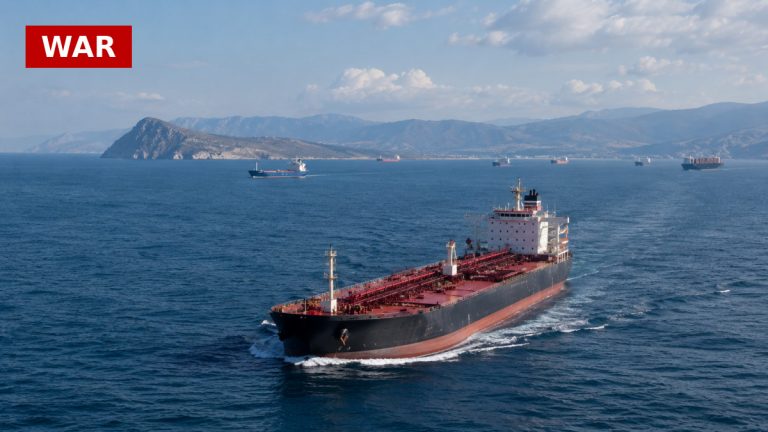
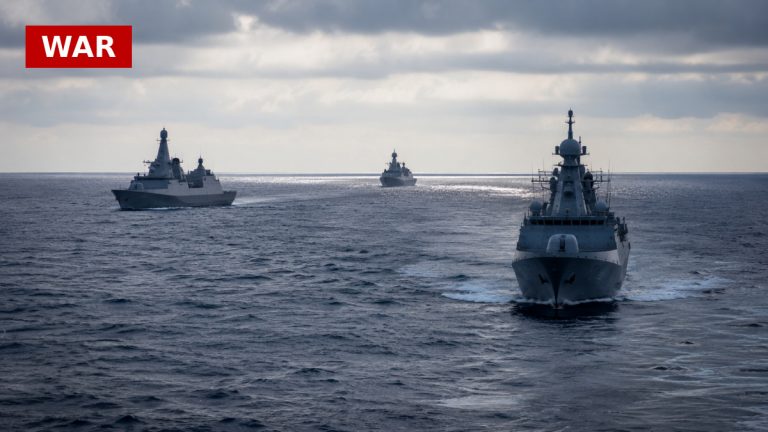
The recent military exchanges, including US strikes on Iranian sites and Iran’s retaliatory drone attacks, signal a dangerous escalation. The US has reimposed sanctions on Iranian oil exports, further straining the already fragile economic situation in Iran. This could lead to increased instability in the region, affecting global oil prices and trade routes, particularly through the strategic Strait of Hormuz.
As tensions rise, the role of intermediaries like Pakistan becomes crucial. Experts suggest that without a cooperative approach from both sides, the mediation process may falter, jeopardising any chance for peace. The situation is compounded by inflammatory rhetoric from both nations, which could further entrench positions and make diplomatic solutions more elusive.
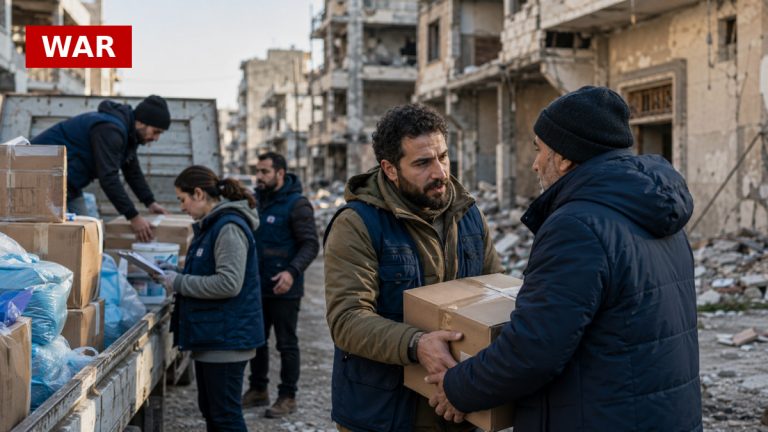
The implications of this conflict extend beyond the immediate military actions. A prolonged conflict could disrupt trade, increase energy prices, and lead to humanitarian crises in the region. As the situation develops, the international community is urged to support diplomatic efforts to prevent further escalation and promote stability in the Middle East.
Source: Al Jazeera