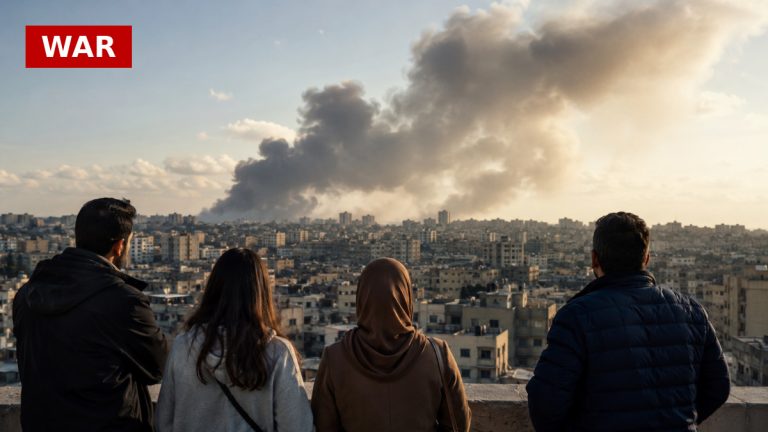
Recent Israeli airstrikes and gunfire in Gaza have resulted in the deaths of at least five Palestinians, including a child. This violence raises serious concerns about the stability of the ceasefire established last October, which has already seen over 1,098 Palestinian casualties since its inception. The ongoing attacks not only violate the ceasefire agreement but also highlight Israel’s expanding control over Gaza, now reportedly encompassing 80% of the territory.
The implications of this violence extend beyond immediate casualties. As Hamas leaders engage in talks in Cairo regarding a potential peace plan, the continued military actions complicate negotiations and may hinder any progress towards disarmament and Israeli withdrawals. The cycle of violence could further entrench divisions and escalate tensions in the region, impacting both local and international perceptions of the conflict.
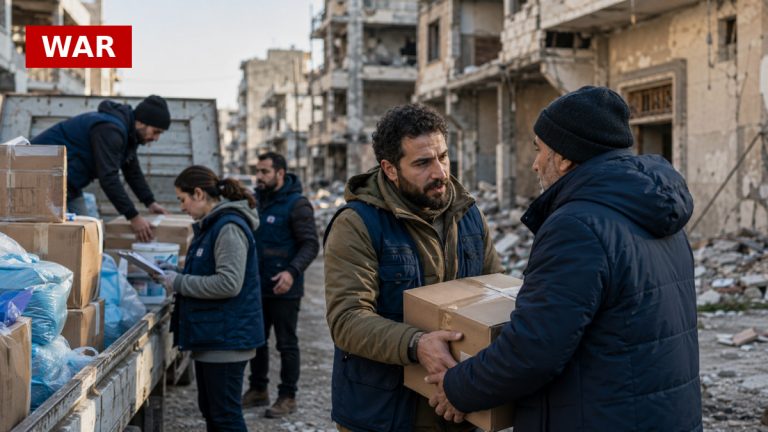
Moreover, the humanitarian situation in Gaza remains dire, with thousands wounded and a significant number of fatalities since the conflict escalated. The international community’s response to these developments will be crucial in shaping future peace efforts and addressing the humanitarian crisis.
As the situation evolves, the potential for a renewed cycle of violence looms large, posing risks not only to those in Gaza but also to broader regional stability. The need for effective diplomatic intervention has never been more pressing, as the consequences of inaction could be profound and far-reaching.
Source: Al Jazeera