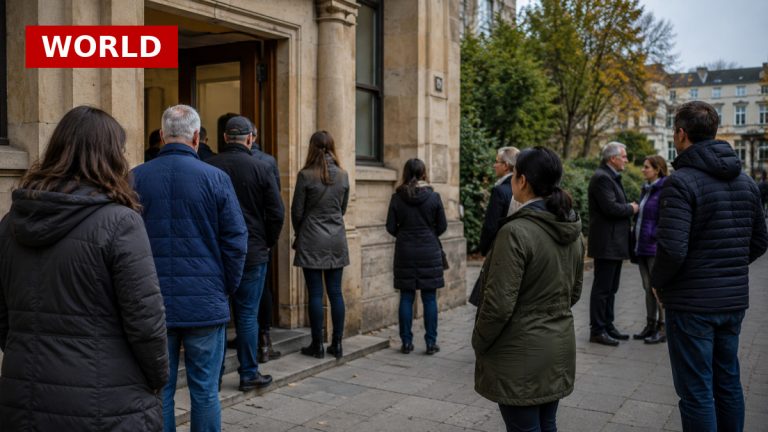
South Africa’s recent deportation of over 53,000 immigrants highlights a significant shift in the country’s approach to migration. This crackdown, driven by rising anti-immigrant sentiment and protests, raises concerns about the safety and rights of migrants, many of whom are fleeing dire conditions in their home countries. The deportations predominantly affect individuals from Malawi, Zimbabwe, and Mozambique, but also include citizens from Nigeria and Uganda.
The government’s actions have sparked diplomatic tensions, as countries of origin criticize South Africa for fostering a climate of xenophobia. This backlash could lead to strained relations and complicate future cooperation on migration issues. Furthermore, the perception of South Africa as an increasingly hostile environment may deter potential migrants seeking better opportunities, altering migration patterns across the region.
Additionally, the crackdown has prompted fears among legal migrants who worry about being targeted due to misconceptions surrounding undocumented individuals. Advocacy groups emphasize that not all migrants are illegal, and many contribute positively to the economy. The situation underscores the need for a more nuanced understanding of migration and its complexities.
As South Africa grapples with these challenges, the long-term implications for its economy, social cohesion, and international standing remain to be seen. The government’s response to this crisis will be crucial in shaping the future landscape of migration in the region.
Source: PBS News