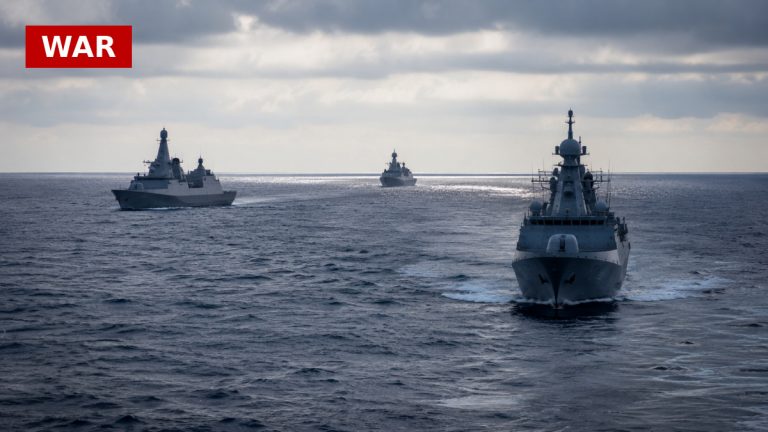
Donald Trump’s recent reimposition of the Iranian blockade in the Strait of Hormuz signals a significant shift in US foreign policy that could have far-reaching consequences for global trade. By declaring the US as the ‘guardian’ of this crucial waterway, Trump is not only asserting military dominance but also introducing a controversial toll on cargo passing through, which could disrupt established shipping routes and increase costs for international traders.
The Strait of Hormuz is a vital passage for oil shipments, with about 20% of the world’s oil supply transported through it. Trump’s blockade could lead to heightened tensions in the region, prompting other nations to reconsider their shipping strategies. This may result in increased shipping insurance costs and potential rerouting of vessels, which could further inflate global oil prices and impact household energy bills.
Moreover, the blockade raises questions about the legality and feasibility of enforcing such a toll on international shipping. Countries reliant on this route for energy supplies may respond with diplomatic or economic measures, potentially escalating into broader geopolitical conflicts. The implications for UK businesses, particularly in energy and trade sectors, could be profound as they navigate these new challenges.
As the situation develops, the potential for military engagement in the region remains a concern, with Trump’s aggressive rhetoric suggesting a willingness to escalate military action. This could lead to instability not only in the Middle East but also in global markets, affecting everything from oil prices to consumer goods, thereby impacting everyday life in the UK and beyond.
Source: GB News