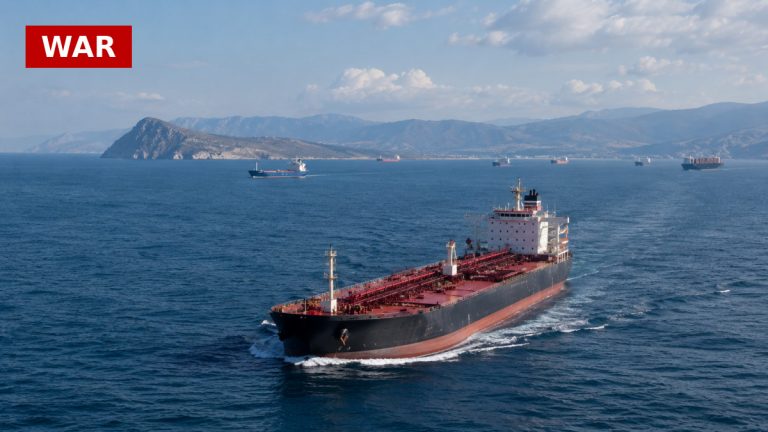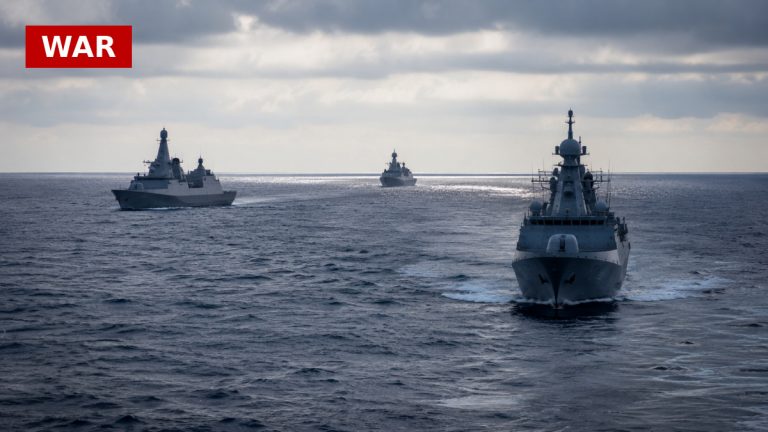
The US has initiated its third consecutive night of airstrikes on Iran, coinciding with President Trump’s announcement of a controversial maritime blockade in the Strait of Hormuz. This blockade will reportedly involve charging ships for safe passage, a significant shift from the long-standing US position that advocated for free navigation without tolls. The implications of this policy reversal could disrupt global oil markets and heighten tensions in the region.
As Brent crude oil prices surged by nearly 8%, the economic ramifications of these developments are already being felt. The proposed 20% tariff on cargoes could lead to increased shipping costs, potentially affecting consumer prices in the UK and beyond. This could further strain household finances as energy costs remain volatile amid ongoing geopolitical conflicts.
Moreover, the enforcement of the blockade raises questions about international law and freedom of navigation. The International Maritime Organization has consistently opposed any fees for passage through straits used for international navigation, indicating that Trump’s proposal may face significant legal challenges.
With military hostilities escalating, the potential for a broader conflict looms, risking not just regional stability but also impacting global energy security. The UK, reliant on stable oil supplies, must remain vigilant as these developments unfold, as they could lead to increased economic instability and higher costs for consumers.
Source: The Guardian