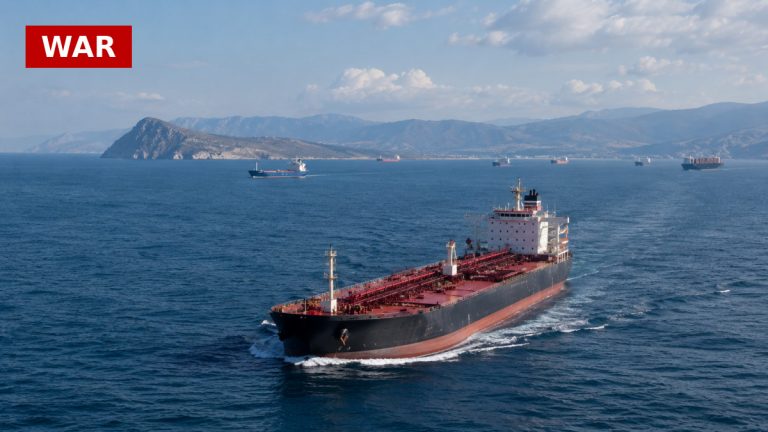
Iranian lawmakers have introduced a bill aimed at asserting control over the Strait of Hormuz, a critical waterway for global oil transport. This move comes amid heightened military tensions with the US, following recent strikes that have shattered hopes for diplomatic negotiations. The proposed legislation seeks to formalise Iranian sovereignty over the strait, potentially barring vessels from countries deemed hostile, including the US and Israel.
The implications of this bill extend beyond regional politics; it could disrupt global oil markets, as approximately one-fifth of the world’s oil passes through this strait. If enforced, the legislation would require all vessels to obtain permits and disclose cargo, with severe penalties for non-compliance. This could lead to increased shipping costs and insurance premiums, affecting global energy prices.
Moreover, the ongoing conflict and Iran’s military responses, including threats to close other shipping routes, signal a precarious future for maritime security in the region. As the US reinstates a naval blockade and tensions escalate, the potential for further military confrontations looms large.
The economic fallout is already visible, with Iran’s currency plummeting and stock market losses mounting. The situation underscores the fragility of international trade routes and the far-reaching consequences of geopolitical strife, which could reshape energy markets and global supply chains in the coming months.
Source: Al Jazeera