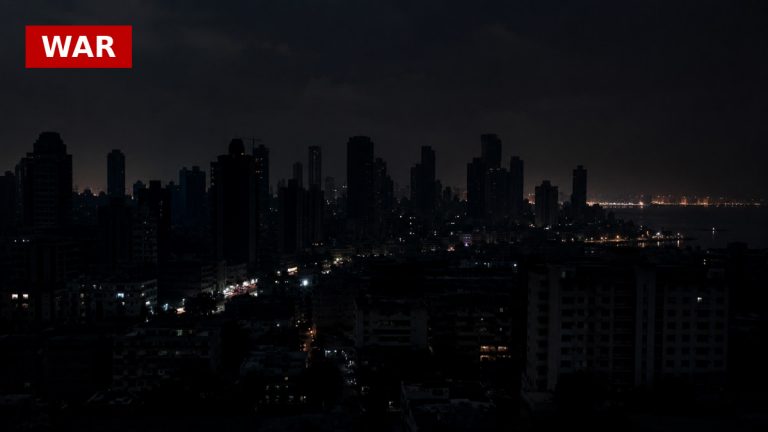
The recent reimposition of a U.S. naval blockade on Iran, coupled with intensified airstrikes, has significant implications for global energy markets. The Strait of Hormuz, a vital artery for oil and gas shipments, is now under increased threat as Iran has vowed to halt all energy exports from the region. This escalation not only disrupts supply chains but also risks driving up prices for consumers worldwide, impacting everything from fuel to food costs.
As tensions rise, the potential for all-out conflict looms large, with the U.S. military targeting strategic sites in Iran. This could lead to further retaliatory actions from Tehran, which has already shown its willingness to disrupt shipping in response to U.S. actions. The ongoing violence raises concerns about the stability of oil prices, which have already been volatile due to geopolitical tensions.
Additionally, the U.S. administration faces domestic pressure as rising energy costs could influence public sentiment ahead of elections. Republican leaders are particularly concerned about the impact on their electoral prospects, as higher prices typically correlate with voter dissatisfaction. The situation is a reminder of how international conflicts can have immediate and far-reaching consequences for everyday life in the UK and beyond.
As the U.S. continues its military operations, the international community watches closely, knowing that any misstep could exacerbate an already precarious situation. The outcome of these developments will not only affect energy prices but could also reshape diplomatic relations in the region for years to come.
Source: PBS News